Confidence-Building Hobbies: A Simple 4-Week Plan
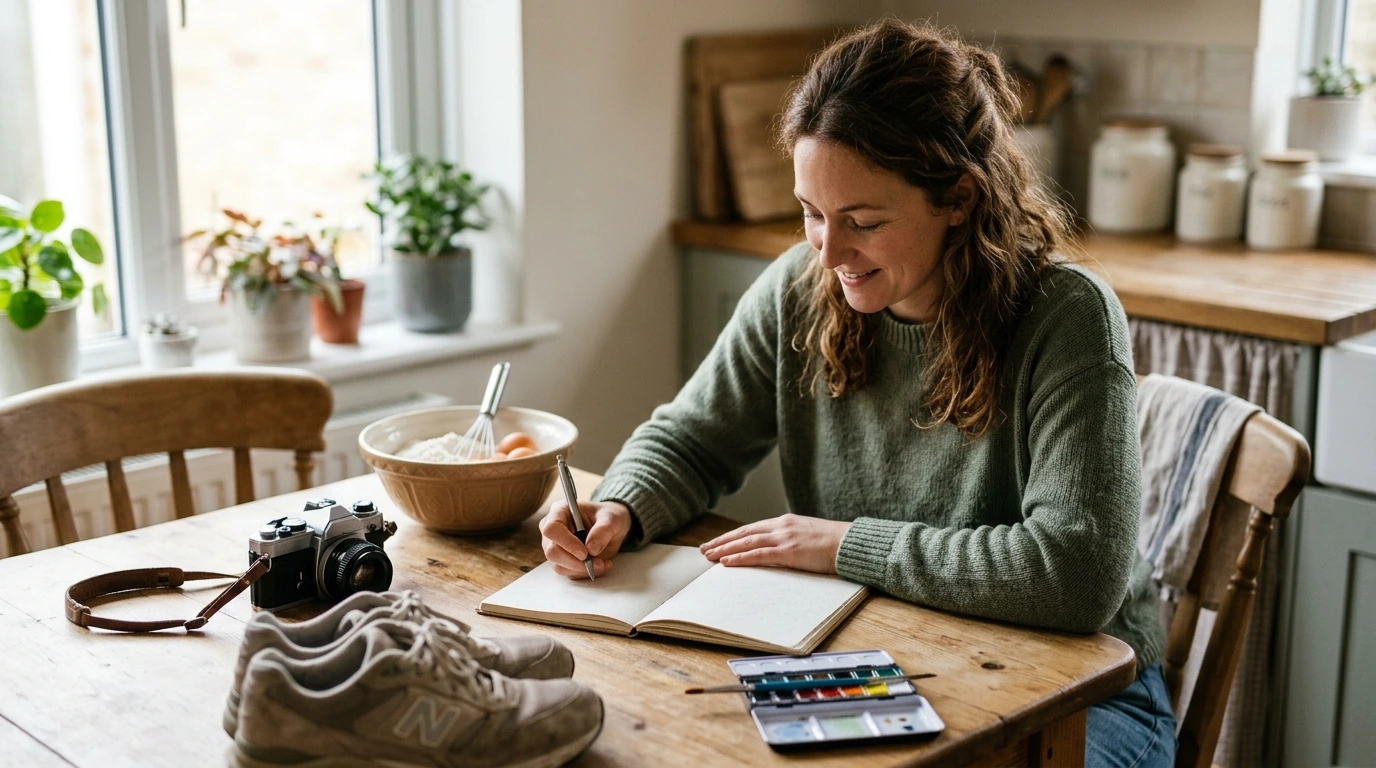
Hobbies That Build Confidence: A Practical Guide to Personal Growth and Self-Belief
Confidence grows through repeated proof: small promises kept, skills practiced, and challenges faced in manageable steps. The right hobby creates a steady loop of effort, feedback, and progress—making self-belief feel earned instead of forced. This guide helps match confidence-building hobbies to different personalities, schedules, and comfort levels, with simple ways to start and stick with it.
How hobbies build confidence (without needing talent first)
Confidence isn’t a personality trait you either have or don’t. It’s often the result of consistent experiences that show: “I can do hard things, and I can improve.” Hobbies are ideal for this because they offer a low-stakes place to practice.
- Mastery: confidence rises when progress is visible—more reps, better technique, finished projects, cleaner execution.
- Agency: choosing goals and tracking results strengthens the sense of control (a key ingredient of self-belief).
- Exposure: safe, repeated discomfort (performing, socializing, competing) reduces fear over time.
- Identity: showing up regularly builds a self-image of consistency and capability.
- Social proof: supportive communities and constructive feedback accelerate growth and make progress feel real.
Psychology research often describes this as self-efficacy: confidence that you can take action and influence outcomes. Over time, those small “I did it” moments add up.
Choose the right hobby by the confidence skill you want to strengthen
Different hobbies build different types of confidence. Start by choosing the kind of confidence you want most right now—social ease, body trust, creative output, decision-making, or calm under pressure.
Confidence goals and hobby matches
| Confidence focus | Best-fit hobbies | Why it works | Easy first step (30 minutes) |
|---|---|---|---|
| Social confidence | Improv class, dance class, book club, volunteering | Structured interaction reduces awkwardness and builds repetition | Attend one drop-in session; learn 2 names and ask 1 question each |
| Body confidence | Strength training, yoga, swimming, martial arts | Progress is measurable; skills create trust in the body | Pick 3 basic movements and log them once |
| Creative confidence | Drawing, writing, photography, music practice | Quantity creates improvement; finished pieces become proof | Create one small piece (sketch, paragraph, 5 photos) and save it |
| Decision confidence | Cooking, DIY, coding, gardening | Planning + troubleshooting builds problem-solving identity | Make one simple recipe/project with a checklist |
| Resilience under pressure | Rock climbing, public speaking, competitive sports | Controlled risk teaches calm, focus, and recovery after mistakes | Try a beginner session and set a single safety/technique goal |
Hobbies that boost confidence fast (low barrier, high payoff)
Fast confidence doesn’t come from instant excellence; it comes from quick feedback loops. These hobbies make progress obvious in days, not months.
- Journaling with prompts: track wins, lessons learned, and proof against self-doubt. A few lines per day can reshape your inner narrative.
- Walking or beginner fitness plans: consistency becomes a daily vote for self-trust—especially when you keep the goal small and automatic.
- Cooking one signature meal: repeating a recipe builds mastery quickly, and feeding yourself well reinforces capability.
- Language learning with short streaks: tiny daily progress creates reliable momentum; confidence grows from “I kept going.”
- Photography challenges: daily or weekly prompts build creative output and pride without requiring “talent” upfront.
Hobbies that build social confidence (even if conversation feels hard)
Social confidence improves faster when interaction is built into the activity—so you’re not relying on raw small talk. Look for roles, rules, or shared goals.
- Volunteering: tasks make interaction natural and purposeful, and you’re contributing alongside others instead of performing socially.
- Group classes: shared structure prevents pressure to “be interesting.” You can focus on the activity and let conversation follow.
- Board game nights: rules provide built-in conversation, turn-taking, and teamwork.
- Choirs or community music groups: belonging forms quickly through shared practice; you’re part of a whole from day one.
- Toastmasters or speaking clubs: gradual exposure improves comfort, clarity, and recovery after mistakes.
For a practical mental wellbeing framework that pairs well with social hobbies (connection, learning, and activity), see the NHS five steps to mental wellbeing.
Hobbies that strengthen self-belief through challenge and discipline
Self-esteem is closely tied to how you evaluate your abilities and worth; confidence-building hobbies support that evaluation by creating real evidence of growth. For more context, the Cleveland Clinic overview of self-esteem explains how daily actions can shape self-perception.
A practical 4-week confidence plan (pick one hobby and commit lightly)
Common confidence blockers (and how hobbies help)
Tools that make confidence-building hobbies easier to stick with
Recommended picks to support your confidence hobby
- Hobbies That Build Confidence – A Practical Guide to Hobbies That Boost Confidence, Personal Growth & Self-Belief (a focused, step-by-step option for choosing a hobby and committing without overwhelm).
- Mini 8GB Voice Recorder Digital Audio MP3 Player USB Pen with Earphones (useful for recording practice sessions for speaking, music, language drills, or weekly reflections).
- Bluetooth MP3 MP4 Player with 4.0″ Touchscreen (helpful for workout timers, guided practice tracks, and keeping “hobby time” distraction-light).
FAQ
What hobby builds confidence the fastest?
Choose something with quick feedback and low setup, like walking on a simple plan, cooking one repeatable recipe, journaling daily, or trying a beginner class. The fastest gains usually come from consistency plus one measurable metric (minutes, reps, pages, or attempts).
How do hobbies help with self-esteem and social anxiety?
Hobbies create structured exposure—small, repeatable interactions that feel safer than unplanned socializing. Skills also provide natural conversation anchors, and supportive groups make it easier to practice introductions, questions, and follow-up without pressure.
How long does it take to feel more confident from a new hobby?
Many people notice a shift in 2–4 weeks with regular practice, especially when progress is tracked. A deeper identity change (“this is who I am”) often strengthens around 8–12 weeks of consistent follow-through.






Leave a comment