Gentle Parenting for Babies vs Traditional Discipline
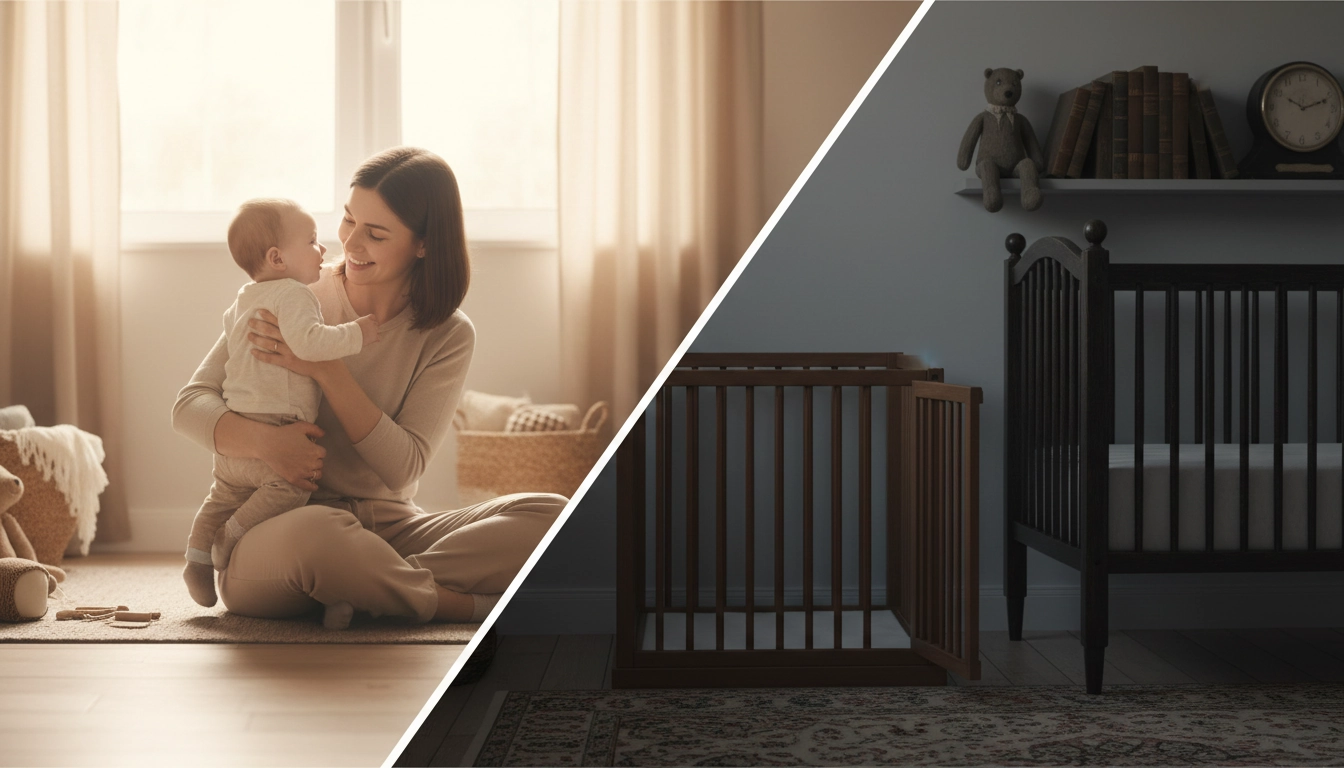
What is gentle parenting for babies, and how is it different from traditional discipline approaches?
Gentle parenting for babies is a relationship-first approach that focuses on responsiveness, safety, and connection rather than punishment. Since babies aren’t developmentally capable of “misbehaving” on purpose, gentle parenting centers on meeting needs, reading cues, and co-regulating big feelings through a calm adult presence.
The biggest difference from traditional discipline is the goal. Traditional approaches often aim for quick compliance—using consequences, reprimands, or “cry it out” style strategies to stop a behavior. Gentle parenting aims to build long-term emotional security and communication by treating baby behavior as information: hunger, fatigue, overstimulation, discomfort, or a need for closeness.
How gentle parenting looks with a baby
With infants, “discipline” is really prevention and support. Gentle parenting can include:
- Responding promptly to cries and signals to build trust and security.
- Creating predictable daily rhythms (feeding, sleep, soothing routines) that reduce overwhelm.
- Using a calm voice, soft touch, and eye contact to help baby settle.
- Adjusting the environment—lowering noise, dimming lights, offering a break—when baby is overstimulated.
As baby grows, gentle parenting also includes simple boundaries delivered with warmth—like moving a hand away from something unsafe while saying, “Not for baby,” and offering a safe alternative.
How it differs from traditional discipline approaches
Gentle parenting avoids shame, fear, or harshness. Instead of asking, “How do I stop this?” it asks, “What is my baby communicating, and how can I help?” Traditional discipline may interpret crying as manipulation or “bad habits.” Gentle parenting recognizes crying as a normal, healthy communication tool and uses soothing, consistency, and connection to guide behavior over time.
For practical examples of bonding cues and calming rituals that support this style, visit this gentle baby bonding guide.
For Gentle Parenting for Babies vs Traditional Discipline, the best answer depends on fit, material, care instructions, and how the product will be used day to day.
FAQ
Is gentle parenting the same as permissive parenting?
No. Gentle parenting still includes boundaries and safety limits; it simply delivers them with empathy and age-appropriate expectations.







Leave a comment