Make Clothes Last Longer: Laundry, Stains & Storage Tips
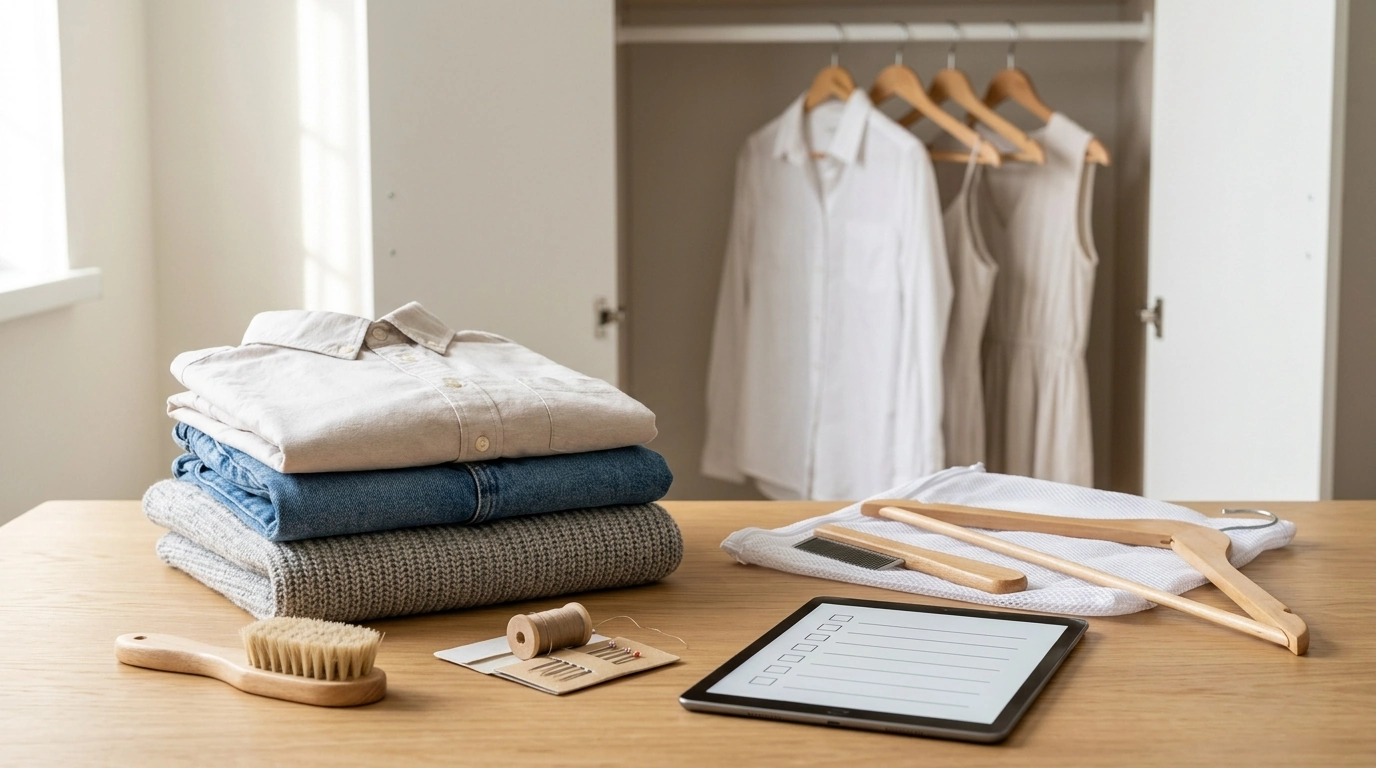
Fashion That Lasts: A Practical Care Guide for Longer-Wearing Clothes
Clothing longevity is built through small, repeatable habits: washing less aggressively, drying with intention, storing correctly, and handling stains early. The goal isn’t perfection—it’s consistency. A simple care system makes it easier to protect color, shape, and fabric strength, so favorite pieces stay in rotation longer (and replacements become the exception, not the routine).
Why clothing care matters for sustainability and cost
Extending a garment’s life reduces the need for frequent replacement and lowers the hidden impact tied to production and shipping. Even small changes—like washing cooler and air-drying more often—add up over a year, especially for everyday basics.
Most wear-and-tear comes from preventable sources: heat, friction, overwashing, harsh detergents, and poor storage. When those stressors repeat weekly, fibers weaken, colors dull, elastics relax, and seams fail sooner than they should.
A care system works better than one-off tips. Think of it as three layers: a few laundry rules you can remember, a quick maintenance checklist you can actually do, and simple fabric references for the moments you’re unsure.
For broader context on waste reduction and reuse, the EPA’s overview is a helpful starting point: https://www.epa.gov/recycle.
What’s included in the digital care toolkit
If you prefer having everything organized in one place, Fashion That Lasts: Your Care Guide – Sustainable Clothing Care eBook, Wardrobe Maintenance Checklist, Laundry & Fabric Care Digital Download is designed to turn best practices into routines that fit real schedules.
- A structured clothing care eBook that converts “good advice” into repeatable steps.
- A wardrobe maintenance checklist to track seasonal tasks like repairing, de-pilling, polishing shoes, refreshing knits, and inspecting seams and buttons.
- Laundry and fabric care references for quick decisions (wash settings, drying guidance, and common do’s and don’ts).
- Digital download format so it can live on a phone/tablet, with key pages printable for the laundry area or closet.
If you’re shopping for pieces you want to keep looking sharp through repeated wear, choose sturdier textures and commit to gentle care from day one—items like Stylish Boys’ Corduroy Hooded Pullover with Pocket can benefit from low-friction washing and careful drying to maintain their structure.
A low-impact laundry routine that still gets clothes clean
1) Wash only when needed
Washing less is one of the fastest ways to reduce fading and fiber breakage. Air out items, spot-clean small marks, and re-wear when appropriate—especially denim, sweaters, and outer layers. (Hygiene exceptions apply for underwear, socks, and sweat-heavy activewear.)
2) Sort beyond colors
Separate by weight and texture to reduce abrasion: keep towels away from tees, denim away from delicate knits, and garments with zippers away from anything that can snag. Less friction means less pilling and fewer “mystery pulls.”
3) Prep garments before they hit the drum
Turn items inside out to protect the face fabric, close zippers and hooks, and use mesh bags for delicates. These tiny steps prevent stretching, snagging, and twisting—especially in lightweight knits and lingerie.
4) Dose detergent accurately
5) Use cooler water for most loads
Cold water and gentler cycles reduce shrink risk and color loss. Reserve warm/hot cycles for hygiene needs and heavily soiled items. If you rely on a dryer, the U.S. Department of Energy’s guidance is a useful reference for smarter use: https://www.energy.gov/energysaver/clothes-dryers.
Quick fabric care reference (wash, dry, and protect fibers)
| Fabric | Wash | Dry | Extra care notes |
|---|---|---|---|
| Cotton (tees, basics) | Cold/warm, normal or gentle | Low heat or air-dry | Inside out to reduce fading; avoid overdrying to prevent shrink |
| Linen | Cold/gentle | Air-dry or low heat | Remove promptly to reduce wrinkles; reshape while damp |
| Wool/merino | Hand wash or wool cycle (cold) | Lay flat to dry | Use wool-safe detergent; avoid hanging when wet to prevent stretching |
| Silk | Hand wash cold or delicate | Air-dry away from sun | Avoid harsh stain removers; test any treatment on an inner seam |
| Denim | Cold, inside out, infrequent | Air-dry preferred | Spot-clean; skip softener to maintain structure |
| Synthetics (polyester/nylon) | Cold/warm, gentle | Low heat | Wash in a bag if prone to snags; avoid high heat that can warp fibers |
| Activewear (stretch blends) | Cold, gentle | Air-dry or low heat | Skip fabric softener; it can reduce moisture-wicking performance |
Stain handling: what to do in the first 10 minutes
Drying and ironing without damage
Wardrobe maintenance checklist: a simple monthly and seasonal system
Storage habits that prevent stretching, fading, and pests
Making the digital download easy to use (and actually follow)
FAQ
How often should clothes be washed to make them last longer?
Wash close-to-skin items like underwear, socks, and most tees after each wear, but re-wear denim, sweaters, and outer layers when they’re not visibly soiled by airing out and spot-cleaning. Activewear often needs washing after sweaty workouts for hygiene. When in doubt, let odor and dirt—not habit—decide.
Is air-drying always better than using a dryer?
Air-drying is gentler on fibers and elastics and helps prevent shrink, so it’s often the best default for knits, denim, and anything with stretch. A dryer is still fine for many durable cottons and synthetics if you use low heat and avoid overdrying. Removing items slightly damp and finishing on a hanger or rack reduces damage.
What’s the best way to stop pilling on sweaters?
Pilling is usually caused by friction and overwashing. Wash sweaters inside out on a gentle cycle (ideally in a mesh bag), avoid heavy items like towels in the same load, and skip harsh agitation. To remove pills safely, use a fabric shaver or sweater comb lightly without digging into the knit.






Leave a comment