1500W SDS-Plus Rotary Hammer: 4 Modes, Setup & Safety
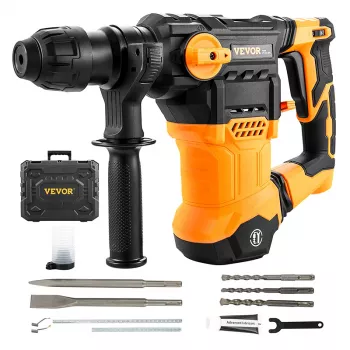
1500W SDS-Plus Rotary Hammer Drill for Concrete: 4 Modes, Setup, and Safe Use
Concrete drilling and light demolition go smoother when the tool matches the job: the right mode, the right bit system, and the right safety steps. A corded 1500W SDS-Plus rotary hammer is designed to drive carbide masonry bits efficiently into hard material and switch over to controlled chipping when it’s time to remove tile, thinset, or small sections of mortar. Below is a practical breakdown of what this tool class does best, how the 4 modes map to real tasks, and how to set up, operate, and maintain it for dependable performance on masonry and concrete.
What an SDS-Plus rotary hammer is built for
An SDS-Plus rotary hammer uses a pneumatic hammer mechanism that delivers impact more efficiently than a standard hammer drill when you’re working in concrete, brick, block, or stone. The SDS-Plus interface also makes accessory swaps quick: compatible bits and chisels slide in and lock without the fuss of a keyed or keyless chuck.
Where it shines: drilling anchor holes, boring for conduit penetrations, drilling near rebar with care, removing tile/thinset, carving small channels, and doing controlled chipping. Where it’s not the right call: large-diameter core drilling, all-day heavy slab breaking (a demolition hammer or SDS-Max platform is better), or precision drilling in wood/metal unless your tool supports drill-only with a proper adapter.
Understanding the 4 modes and when to use each
Most 4-mode SDS-Plus rotary hammers combine rotation and hammering in different ways so you can match the action to the material and the finish you need.
- Drill-only mode: Rotation without impact. Useful when you don’t want hammering (fragile masonry, certain tile situations, or starting a precise hole).
- Hammer drill mode: Rotation plus impact. This is the go-to for drilling holes in concrete and masonry with SDS-Plus carbide bits.
- Chisel-only mode: Impact without rotation. Best for chipping tasks like tile removal, mortar cleanup, and light surface removal.
- Chisel angle/position adjust: Lets you rotate and lock the chisel orientation so you can keep wrists neutral and maintain a consistent edge angle on floors or walls.
Mode guide for common concrete and masonry tasks
| Task | Recommended mode | Typical accessory | Tips for cleaner results |
|---|---|---|---|
| Drilling anchor holes in concrete | Hammer drill | SDS-Plus carbide masonry bit | Start steady, clear dust often, stop at depth to avoid over-drilling |
| Removing tile and thinset | Chisel-only | Wide flat chisel | Work shallow angles, chip in layers, protect adjacent surfaces |
| Chipping a small channel in block | Chisel-only + chisel position adjust | Pointed/flat chisel | Score edges first, keep consistent depth |
| Drilling through brick/block without cracking | Hammer drill (light pressure) | SDS-Plus masonry bit | Avoid prying with the bit; back out to clear dust |
| Starting a precise hole location | Drill-only (pilot) then hammer drill | Small masonry bit | Use a center mark, begin slow, switch modes after bite |
Key specs that matter in real jobs (beyond wattage)
Wattage matters for sustained power, but it doesn’t tell the whole story. Pay attention to the numbers and features that shape how the tool feels and how quickly work moves.
Setup: bits, chisels, and dust control for concrete
- Choose the right SDS-Plus accessory: Use carbide-tipped masonry bits for drilling and purpose-made chisels for demolition. Worn accessories wander, overheat, and slow everything down.
- Insert and lock correctly: Wipe the shank clean, insert fully until it clicks/locks, then tug lightly to confirm retention before powering on.
- Set depth: Use a depth rod if included (or a tape marker) to keep anchor embedment consistent and reduce the chance of punching too deep.
- Control dust: Silica-containing dust is a serious health hazard. Use a vacuum with the right filter, a drill dust collector attachment, and frequent hole clearing. For safety references, review OSHA’s Respirable Crystalline Silica Standard for Construction and NIOSH guidance on crystalline silica.
- Electrical readiness: Use GFCI protection where appropriate (especially outdoors or in damp areas). Route cords so they can’t be cut by the tool or create trip hazards.
Technique for faster drilling and controlled demolition
Care, maintenance, and troubleshooting
When a 1500W SDS-Plus corded rotary hammer is a good buy
In-stock picks
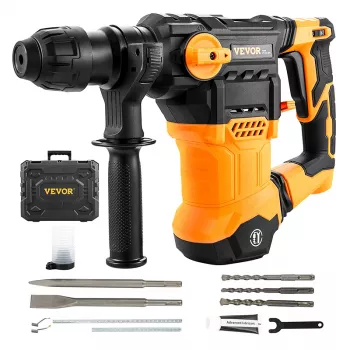
- 1500W Rotary Hammer Drill SDS-Plus Corded Demolition Tool with 4 Modes for Concrete
- Mini 8GB Voice Recorder Digital Audio MP3 Player USB Pen with Earphones (handy for recording punch-list notes and measurements while you work)
FAQ
Can an SDS-Plus rotary hammer drill through concrete without cracking it?
Yes, when you use hammer drill mode with a correctly sized carbide masonry bit, start the hole steadily, and avoid prying or side-loading the bit. Clear dust frequently to reduce binding and heat, and stop to reassess if you encounter rebar.
What is the difference between hammer drill mode and chisel-only mode?
Hammer drill mode combines rotation and impact for drilling holes in concrete and masonry. Chisel-only mode delivers impact without rotation for removal tasks like tile, thinset, and mortar, and chisel positioning helps keep the working angle comfortable.
How can concrete drilling dust be reduced during indoor work?
Use a vacuum paired with a compatible dust shroud or drill dust collector, and clear holes often so dust doesn’t plume when the bit backs out. Seal off the area when possible and wear appropriate respiratory protection for silica-containing dust.





Leave a comment