Lightweight Look-Compatible Road Clipless Pedals Guide
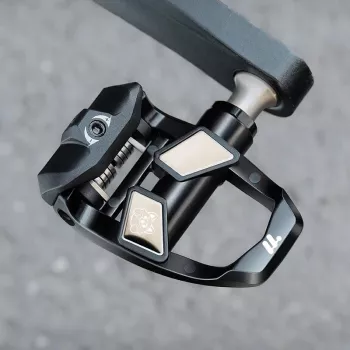
Lightweight Road Clipless Pedals with Look Compatibility: What to Know Before You Buy
A light pedal can make a noticeable difference in acceleration feel, climbing efficiency, and overall ride responsiveness—especially when paired with a widely used Look-style road cleat. Lightweight road clipless pedals that accept Look-compatible cleats are designed for pavement and smooth indoor setups, giving a secure connection that helps keep the foot planted and the pedal stroke consistent. Below is a practical breakdown of what these pedals do well, the specs that matter most, and how to get set up safely for confident clipping in and out.
What Look-compatible road pedals are designed to do
Look-compatible road pedals are built around a stable, wide interface intended for efficient power transfer on paved roads and smooth training surfaces. Most use a 3-bolt road cleat pattern common on road cycling shoes (and many indoor cycling shoes), and the engagement mechanism is tuned for predictable entry and release.
- Provide a stable platform for efficient power transfer on pavement and smooth surfaces.
- Use a 3-bolt road cleat pattern that’s common on road cycling shoes and many indoor cycling shoes.
- Support consistent engagement and release, helping reduce foot slippage compared with flat pedals.
- Prioritize low weight and a compact profile to keep the bike feeling quick and agile.
For a deeper overview of the Keo ecosystem and related cleat options, refer to LOOK Cycle. For general clipless pedal fundamentals, Sheldon Brown is a long-standing reference.
Key specs that matter before buying
Lightweight doesn’t automatically mean “better” for every rider. The best choice balances weight, stability, durability, and the feel of engagement. Use the checklist below to compare Look-compatible road pedals quickly.
| Feature | Why it matters | What to look for |
|---|---|---|
| Look-style 3-bolt cleat fit | Ensures shoes and cleats mount and engage correctly | Look Keo-style compatibility stated; 3-bolt road shoe support |
| Adjustable release tension | Controls how easy it is to clip out | Tension adjustment screw; clear min/max range |
| Low weight construction | Improves responsiveness and reduces rotating/reciprocating mass feel | Light body and spindle materials; reputable bearings |
| Sealed bearings | Helps longevity in wet or gritty conditions | Sealed cartridge or well-sealed cup/cone design |
| Wide platform feel | Comfort and stability under load | Stiff body, supportive contact area, minimal rocking |
- Cleat standard: Confirm compatibility with Look-style road cleats (often Keo-style) rather than MTB-style 2-bolt systems.
- Pedal weight: Lighter can feel snappier, but long-term satisfaction depends on bearing quality and a solid retention mechanism.
- Release tension: Adjustable tension helps newer riders learn clip-out confidently and lets experienced riders dial in security.
- Stack height: A lower stack can feel more direct by bringing the shoe closer to the pedal spindle.
- Platform contact: A broader contact area can reduce hot spots on long rides and feel steadier in sprints.
- Bearing type and sealing: Better seals resist water and grit; smooth bearings reduce drag and unwanted noise.
Fit and compatibility: shoes, cleats, and float
The most common “compatibility issues” aren’t about the pedal at all—they’re about shoes, cleats, and setup details.
- Shoe mounting: Look-style road systems typically use a 3-bolt road shoe pattern. Check your shoes for a 3-bolt insert (not just a 2-bolt MTB pattern).
- Cleat type and float: Look-compatible road cleats are often sold in different float options. More float can feel friendlier on knees; less float can feel more locked-in and direct.
- Cleat wear: Worn cleats can cause squeaks, vague engagement, or unexpected release. Replace cleats when edges round off, the cleat rocks, or engagement starts feeling inconsistent.
- Walking practicality: Road cleats usually protrude, so consider cleat covers if you walk frequently (coffee stops, store runs, commuting).
Setup basics for a safe first ride
Clipless pedals reward careful installation. A few small steps can prevent stripped threads, squeaks, and hard-to-escape tension settings.
- Install with correct thread direction: Right pedal tightens clockwise; left pedal tightens counterclockwise.
- Grease the threads: A thin layer helps prevent seizing and makes future removal easier.
- Start with low release tension: If your pedals are adjustable, begin on the easiest safe setting and increase gradually.
- Align cleats to your natural foot angle: Start neutral, then fine-tune to reduce knee tracking issues or pressure hot spots.
- Practice before traffic: Do repeated clip-in/clip-out drills while supported (wall, doorway, or trainer) until it’s automatic.
On-road feel: what riders typically notice
Care, longevity, and troubleshooting
A lightweight Look-compatible option to consider
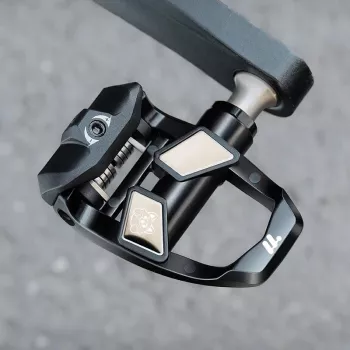
- Lightweight Road Clipless Pedals with Look Compatibility — a budget-friendly way to get into a Look-style cleat ecosystem for road rides, fitness cycling, or indoor sessions.
Extras for training sessions (optional)
- Bluetooth MP3 MP4 Player with 4.0″ Touchscreen — useful for music or workout videos during trainer rides.
- Mini 8GB Voice Recorder Digital Audio MP3 Player USB Pen with Earphones — handy for quick ride notes, reminders, or recording intervals and coaching cues.
FAQ
Are Look-compatible road pedals the same as Shimano SPD-SL?
No. They’re different road systems with different cleats, and they aren’t automatically cross-compatible unless a pedal explicitly states support for the other standard. Match the pedal standard to the cleat type and confirm your shoe uses a 3-bolt road pattern.
How much release tension should be used for beginners?
Start at the lightest setting that still feels secure, then practice clipping out repeatedly until it’s consistent. Increase tension gradually until accidental release is unlikely while still allowing a confident exit.
What float should be chosen for road cleats?
Float is the amount of angular freedom your foot has while clipped in. More float can reduce joint stress for many riders, while less float feels more direct and “locked-in”; starting with moderate float is a common choice unless a fitter recommends otherwise.




Leave a comment