Breathable Adjustable No-Pull Dog Harness: Fit & Tips
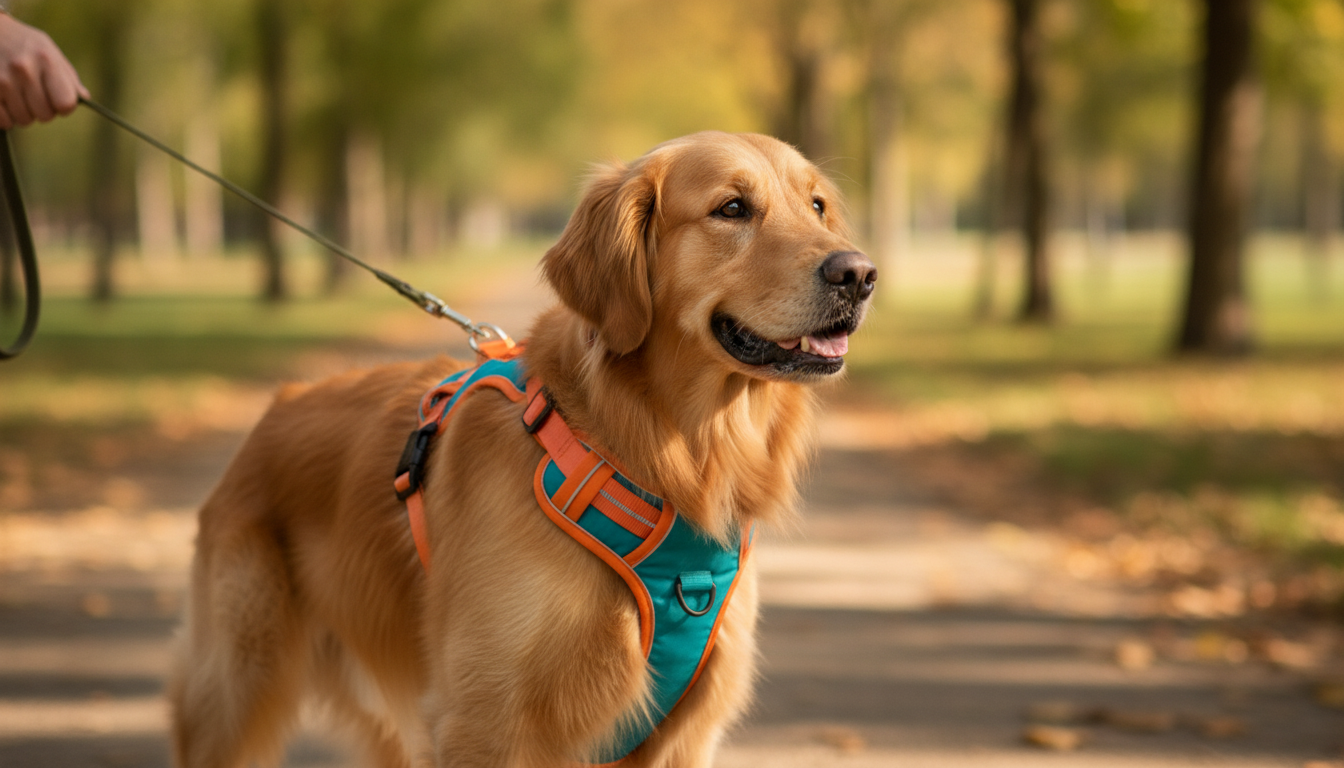
Adjustable No-Pull Dog Harness with Breathable Nylon Design
A no-pull harness can make daily walks calmer by shifting pressure away from the neck and improving handling. This adjustable harness pairs breathable nylon with multiple adjustment points to help achieve a secure fit while supporting comfort across seasons and activity levels. For many dogs—especially those that surge toward squirrels, greet strangers enthusiastically, or get overstimulated at the curb—a well-fitted harness can be the difference between a tense outing and a focused training walk. For more guidance, see Best No Pull Dog Harness Guide – cli.mbl.edu ».
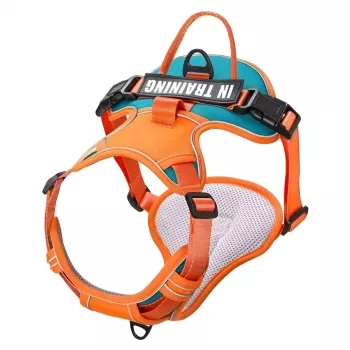
If you’re shopping for an everyday option that’s easy to dial in, take a look at the Adjustable No-Pull Dog Harness with Breathable Nylon Design, designed to support control while keeping the dog’s neck more comfortable than collar-only walking. For further reading, see weekend open thread – August 8-9, 2020 – Ask a Manager.
What Makes a No-Pull Harness Different
No-pull harnesses are built around one central idea: reduce the dog’s ability to put full body weight into a forward lunge while keeping the handler’s guidance clearer and more consistent.
- Distributes pulling forces across the chest and torso rather than concentrating them at the throat like many collars.
- Encourages better walking manners by giving more directional control when the dog surges forward.
- Often preferred for dogs prone to coughing, tracheal sensitivity, or neck discomfort (with proper fit and supervision).
- Designed to support leash training when paired with consistent cues, rewards, and short practice sessions.
For structured loose-leash training methods, reputable guidance from organizations like the American Kennel Club, the ASPCA, and VCA Animal Hospitals can help you build consistent habits beyond equipment alone.
Quick Specs at a Glance
This style of harness aims to keep things practical: breathable, adjustable, and intended for routine walks where control and comfort both matter.
- Breathable nylon construction aimed at everyday comfort.
- Adjustable straps to help fine-tune fit as the dog grows or changes coat thickness.
- No-pull style intended to reduce lunging and improve control on walks.
- Suitable for routine walking, neighborhood training, and general outdoor use.
Harness Overview
| Detail | What to Expect |
|---|---|
| Design | No-pull harness style with adjustable fit |
| Material | Breathable nylon |
| Primary use | Daily walking and leash training support |
| Comfort focus | Reduced neck pressure and improved airflow |
Fit and Adjustment: Getting the Right Size
Even the best harness won’t feel “no-pull” if it slides, twists, or rubs. Fit is the make-or-break factor, especially for energetic dogs that change speed quickly.
- Measure the dog’s chest girth (widest part behind the front legs) and neck/shoulder area as directed by the seller’s size chart.
- Aim for a snug fit that allows two fingers to slide under straps without excessive slack.
- Check symmetry: straps should sit evenly on both sides to reduce rubbing and shifting.
- Re-check fit after the first few walks; some dogs compress fur or move differently once outside.
- Avoid positioning that restricts shoulder movement; the front straps should not cut into the armpits.
A quick “walk test” helps: clip the leash, take a few steps, then gently guide a turn. If the harness rotates heavily or rides into the underarm area, adjust before you head farther from home.
Breathable Nylon Comfort in Real-World Use
Comfort isn’t only about padding—it’s about temperature, movement, and stability. Breathable nylon is a common everyday choice because it stays relatively lightweight while holding up to routine wear.
- Breathable materials can help reduce heat buildup during warm-weather walks and higher activity levels.
- Nylon is commonly chosen for its balance of light weight and durability for everyday wear.
- Comfort improves when the harness stays stable; correct adjustment reduces twisting and pressure points.
- For dogs with sensitive skin, monitor for redness during the first week and adjust strap tension/placement if needed.
If your dog has a thick seasonal coat, it’s normal to need minor strap tweaks as shedding changes the way the harness sits. A small re-fit can prevent a lot of mid-walk fidgeting.
Walking and Training Tips for “No-Pull” Results
A harness can reduce leverage and give clearer handling, but the long-term win comes from practice. The goal is to teach the dog that staying near you keeps the walk moving and pays well.
Safety and Durability Checks
Care and Cleaning
Who This Harness Tends to Suit Best
In-Stock Picks for Walks and Everyday Routines
- Adjustable No-Pull Dog Harness with Breathable Nylon Design ($21.51)
- Bluetooth MP3 MP4 Player with 4.0″ Touchscreen ($34.67) for long walks, training timers, or distraction-reducing audio on your route
- Stylish Boys’ Corduroy Hooded Pullover with Pocket ($7.82) for cooler-weather family outings
FAQ
How tight should a dog harness be?
Use the two-finger rule under each strap; it should be snug enough to prevent shifting but not so tight that it restricts breathing or shoulder movement. Re-check the fit after a few walks and adjust as needed.
Will a no-pull harness stop pulling immediately?
It can improve control and reduce the dog’s leverage, but lasting results usually come from consistent loose-leash training. Reward slack-leash moments, keep sessions short, and gradually increase distractions as your dog improves.
Can a harness cause rubbing under the legs?
Yes—most rubbing comes from a size mismatch or strap placement that sits too close to the armpits. Adjust for even tension on both sides, keep straps clear of the leg crease, and monitor for redness during the first week.



Leave a comment