Stainless Steel Round Dip Dish for Sauces, Prep & Toppings
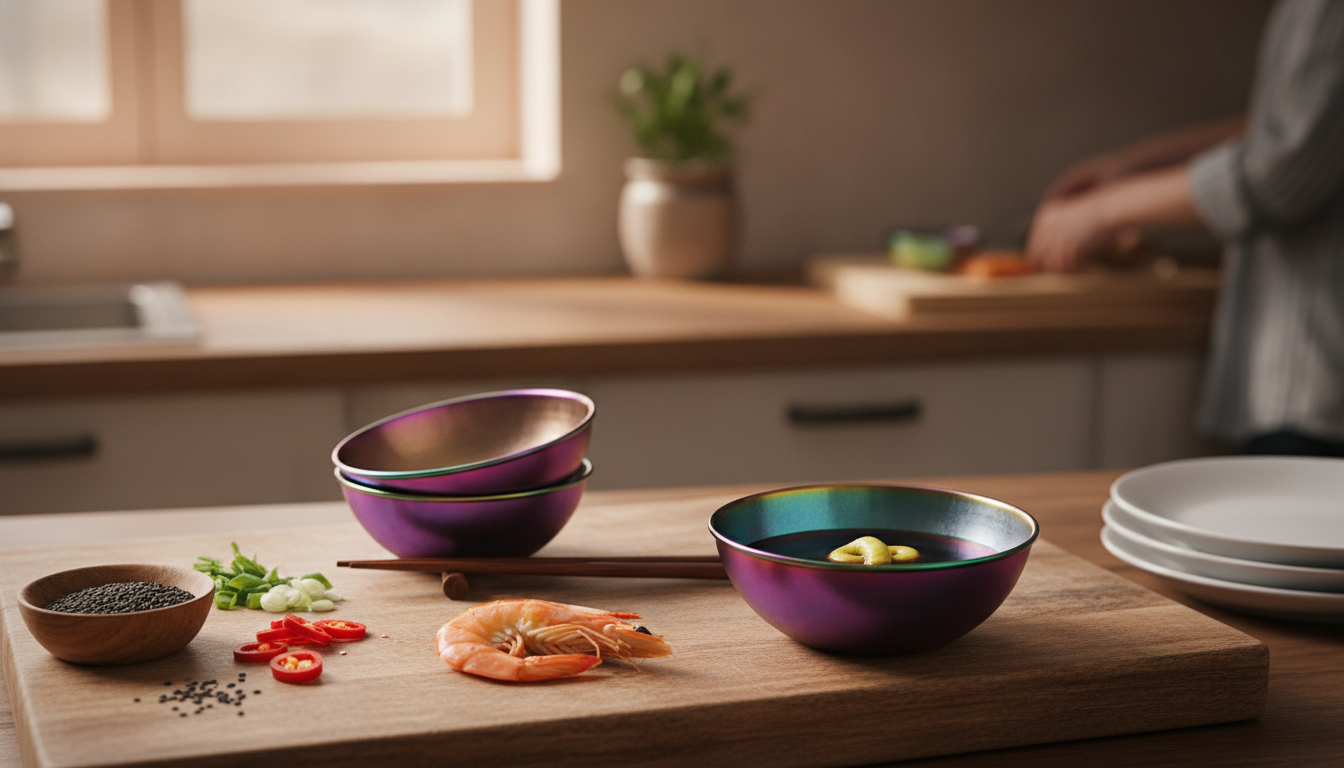
Stainless Steel Round Sauce & Seasoning Dish for Everyday Dips, Prep, and Serving
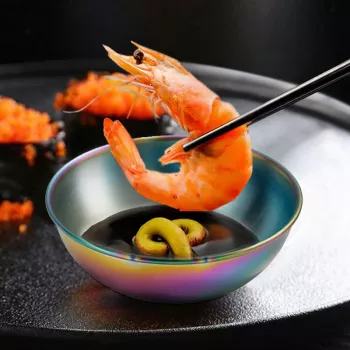
A round stainless steel sauce and seasoning dish keeps small portions tidy—soy sauce, ketchup, spice blends, aromatics, or toppings—while staying durable enough for daily kitchen use. Its simple shape stacks easily, cleans quickly, and works across home meals, lunch boxes, and party trays. For more guidance, see Roasted Eggplant with Sweet and Spicy Chili Oil – California Prunes.
What This Dish Is Best Used For
Small dishes do a lot of quiet work in a kitchen: they prevent messy drizzle trails, keep flavors separated, and make it easier to portion the “little things” that bring a meal together. For further reading, see Any Demeyere Proline pan owners ? – Cookware – Hungry Onion.
- Dipping sauces: soy sauce, ponzu, chili oil, ranch, barbecue sauce, ketchup, mustard
- Seasonings and toppings: flaky salt, pepper, furikake, sesame seeds, chopped scallions, herbs
- Ingredient staging: minced garlic, ginger, sliced chilies, measured spice portions
- Condiment portion control: for meal prep, bento-style lunches, and snack plates
- Serving sides: on charcuterie and appetizer boards without soaking into wood or paper
Because the dish is compact and shallow, it’s especially handy when you want a “dip zone” on the same plate as sushi, dumplings, fries, nuggets, or veggies—without everything swimming together.
Why Stainless Steel Works for Sauces and Seasonings
Stainless steel is a practical choice for everyday kitchenware because it’s built to handle repeat use and a wide variety of ingredients.
- Non-porous surface: helps resist staining and odor retention compared with many plastics.
- Plays well with bold flavors: handles acidic or oily sauces (vinegar-based dips, citrus, chili oils) without absorbing flavors.
- Durable for stacking: less prone to chipping than many ceramics, and stands up to frequent washing.
- Easy-to-match look: neutral style fits casual dinners, sushi nights, outdoor picnics, and buffet setups.
- Lightweight: easy to carry for portioned condiments and toppings—especially useful when setting up a toppings bar.
For general food-contact guidance and packaging/material safety references, the FDA’s overview of food contact substances is a helpful starting point: https://www.fda.gov/food/packaging-food-contact-substances-fcs.
Sizing and Portioning Tips
The easiest way to keep small dishes functional (not messy) is to portion with movement in mind—passing plates, packing lunches, or carrying a tray to the table.
- For dipping: aim for a shallow fill level to reduce spills when passing plates.
- For seasonings: keep dry spices in a thin layer for easy pinches and measuring.
- For topping bars: use multiple dishes to separate wet and dry items (pickles vs. seeds).
- For kids’ lunches: pack thicker sauces (ketchup, hummus) more securely than thin liquids.
- For oily sauces: set dishes on a larger tray or plate to catch stray drips.
Quick guide: common uses and suggested fill amounts
| Use | Examples | Suggested fill level | Notes |
|---|---|---|---|
| Dipping sauce | Soy sauce, ponzu, vinaigrette | Low to medium | Keeps sloshing down when moving plates |
| Thick dip | Ketchup, mayo, aioli | Medium | Thicker dips travel better |
| Dry seasonings | Salt, spice blends, furikake | Thin layer | Easier to pinch and control |
| Aromatics prep | Garlic, ginger, scallions | Single portion piles | Separates flavors for quick cooking |
| Toppings | Sesame, chili flakes, chopped herbs | Thin layer | Keeps toppings crisp and visible |
Care, Cleaning, and Keeping the Finish Looking New
A stainless dish is low-maintenance, but a few small habits keep it looking bright and feeling fresh.
- Rinse soon after use: prevents dried-on sauce rings, especially with sugary or salty condiments.
- Use a soft sponge: avoid harsh abrasives that can dull the surface over time.
- Prevent water spots: wipe dry after washing, or polish lightly with a soft cloth.
- For stubborn residue: soak briefly in warm soapy water, then clean along the grain if visible.
- Food safety basics: wash after contact with raw ingredients and keep separate from ready-to-eat sauces.
For kitchen surface cleaning and sanitation guidance, the CDC’s recommendations are a solid reference: https://www.cdc.gov/hygiene/cleaning/kitchen.html. For stainless-specific care details, the Stainless Steel Information Center offers practical do’s and don’ts: https://www.ssina.com/education/care-and-cleaning/.
Serving Ideas That Make Small Dishes More Useful
The biggest upgrade small dishes bring is organization—your table looks cleaner, flavors stay distinct, and guests can customize without hovering over one shared bowl.
Stainless Steel Round Sauce & Seasoning Dish
Product snapshot
| Item | Details |
|---|---|
| Name | Stainless Steel Round Sauce & Seasoning Dish |
| Price | 11.51 USD |
| Availability | In stock |
More In-Stock Picks to Round Out Everyday Routines
- Bluetooth MP3 MP4 Player with 4.0″ Touchscreen — a handy companion for commutes, workouts, and travel days.
- Mini 8GB Voice Recorder Digital Audio MP3 Player USB Pen with Earphones — useful for quick notes, lectures, or capturing reminders.
- Stylish Boys’ Corduroy Hooded Pullover with Pocket — a cozy layer for school days and cooler weather.
FAQ
Is stainless steel safe for acidic sauces like vinegar or citrus?
Stainless steel is commonly used for food contact and typically handles acidic ingredients well in everyday use. For best results, rinse and wash after serving salty or acidic sauces, and avoid storing them in the dish for extended periods.
How do water spots and rainbow discoloration get removed?
Drying after washing helps prevent water spots, and gentle polishing with a soft cloth can restore shine. Rainbow discoloration is usually harmless and can often be reduced with warm soapy water and non-abrasive stainless-safe cleaning methods.
Can these dishes go in the dishwasher?
Many stainless steel items are dishwasher-friendly, but it’s smart to confirm any specific care notes for your set. If dishwashing, placing them securely (often on the top rack) and avoiding harsh detergent buildup can help maintain the finish.




Leave a comment