Compare Multiple Cars on a Test Drive: Simple Scorecard
Test Drive Smart, Compare With Confidence: A Practical Guide to Testing Multiple Cars Before You Buy
Test drives can feel convincing in the moment—until three different cars blur together. A simple, repeatable plan makes each drive measurable, helps you spot deal-breakers early, and turns “it felt nice” into a confident choice backed by notes, numbers, and consistent checks.
Set a Fair Comparison Baseline Before Booking Drives
Before you schedule anything, lock in the boundaries that define “right for you.” Start with non-negotiables: body style, seating needs, cargo volume, drivetrain (FWD/AWD/4WD), safety features, budget ceiling, and must-have tech. This prevents a great drive in the wrong type of vehicle from distracting you.
Next, choose a “default setup” so you’re comparing apples to apples. Aim for similar trims, similar mileage bands (all new, or used within a narrow range), and similar tire types when possible. A base trim on all-seasons will often feel very different than a higher trim on aggressive performance tires—even if the underlying platform is similar.
Decide your evaluation weights ahead of time. For example: comfort and visibility might matter more than cornering grip if most miles are commuting. Common categories to weight: comfort, visibility, handling, road noise, infotainment usability, parking ease, fuel/energy efficiency, and driver-assistance behavior.
Finally, schedule drives close together (same week, similar time of day). Similar traffic and lighting reduce “memory bias,” where the last car driven feels best simply because it’s freshest.
Build a Repeatable Test Route
A consistent route is the fastest way to turn impressions into comparisons. Build a 20–35 minute loop that includes rough pavement, smooth highway, stop-and-go streets, tight turns, and a parking lot segment. If you’re testing used cars, include a safe stretch where you can listen at steady speed for wheel bearing hum, drivetrain vibrations, or interior rattles.
Try to include a merge or short on-ramp. That’s where acceleration, passing response, lane-centering confidence, and wind noise become obvious. Add a low-speed section for steering effort, creep behavior (especially in hybrids/EVs), brake modulation, and intersection visibility.
Repeatable Test-Drive Route Checklist
| Route segment | What to evaluate | Quick scoring cue (1–5) |
|---|---|---|
| Parking lot (5 min) | Turning circle, camera clarity, parking sensors, blind spots | Confidence parking without re-adjusting |
| City stop-and-go (10 min) | Brake smoothness, low-speed ride, transmission behavior, regen feel (EV/Hybrid) | No lurching, predictable stops |
| Rough road patch (3 min) | Suspension compliance, rattles, seat comfort | No sharp impacts or buzzing |
| Highway cruise (7 min) | Wind/road noise, lane keeping behavior, seat support | Easy conversation, stable tracking |
| Merge / passing (3 min) | Acceleration, downshift response, power delivery | No hesitation, smooth surge |
| Tight turns / neighborhood (5 min) | Steering feedback, body roll, visibility | Natural steering, controlled lean |
First 3 Minutes: Cabin Fit, Visibility, and Controls
Before you roll, set the seat and steering wheel carefully. Confirm you can reach pedals without stretching, get thigh support without pressure points, and maintain a relaxed shoulder position. A car that “fits” reduces fatigue and makes every other category (handling, braking, visibility) feel better.
Check sightlines next: A-pillars, rear window height, mirror coverage, and hood line. A thick A-pillar that blocks pedestrians at crosswalk angles is a real-world problem, not a minor annoyance.
Driving Feel: Ride, Noise, Steering, and Brakes
Technology and Driver Assistance Without the Hype
If equipped, sample adaptive cruise control and lane-centering briefly. The key indicators: smooth speed changes, natural steering “tug,” and whether it ping-pongs between lane lines. For safety research beyond a single test drive, check NHTSA vehicle safety ratings.
Passenger and Practical Checks That Change the Decision
To compare fuel costs between finalists, use FuelEconomy.gov’s side-by-side tool to sanity-check your expectations against standardized estimates.
Capture Notes Immediately (Before the Next Car Blurs the Memory)
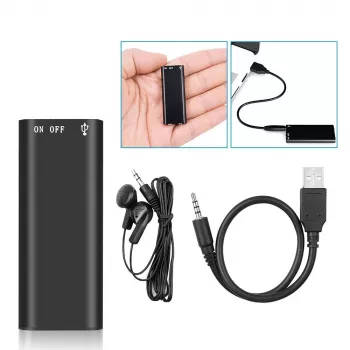
Use the same scorecard for every car: quick 1–5 ratings plus one “best” and one “worst” note per category. After parking, record a 30-second voice memo with your top three likes, top three annoyances, and one surprise detail (good or bad). If you want a dedicated device that’s easy to keep in a glove box, consider the Mini 8GB Voice Recorder Digital Audio MP3 Player USB Pen with Earphones.
Turn Impressions Into a Final Comparison You Can Defend
Create a simple shortlist summary for each finalist: “Wins,” “Trade-offs,” and “Open questions” such as warranty coverage, maintenance costs, and insurance premiums. For general buying protections and paperwork guidance, the Federal Trade Commission’s car buying overview is a reliable reference.
If you’re buying used, confirm inspection steps, request vehicle history documentation, and schedule a pre-purchase inspection when appropriate. For a structured, print-friendly framework that mirrors the approach above, Test Drive Smart, Compare With Confidence | Practical Guide for Test Driving Multiple Cars How to Compare Before You Buy keeps your scoring, notes, and final comparison consistent from the first appointment to the final decision.
FAQ
How long should a test drive be to make a confident decision?
Aim for 20–35 minutes so you can include city streets, highway speed, a rough patch of pavement, and parking maneuvers. A second, shorter drive for your top two choices helps confirm the scores and catch anything you missed.
What should be written down during a test drive to compare cars accurately?
Use a simple scorecard with 1–5 ratings for comfort, visibility, noise, steering/brakes, tech usability, and cargo practicality, plus a clear list of deal-breakers. Add a quick post-drive “best/worst” note for each category to preserve what stood out while it’s fresh.
Is it okay to test-drive multiple cars in one day?
Yes—structure makes it work: drive the same route, take short breaks to avoid decision fatigue, and jot notes immediately after each drive. Put your top contenders earlier in the day when attention and patience are highest.




Leave a comment