Cozy Infant Seat Cushion Pad: Comfort That Stays Put
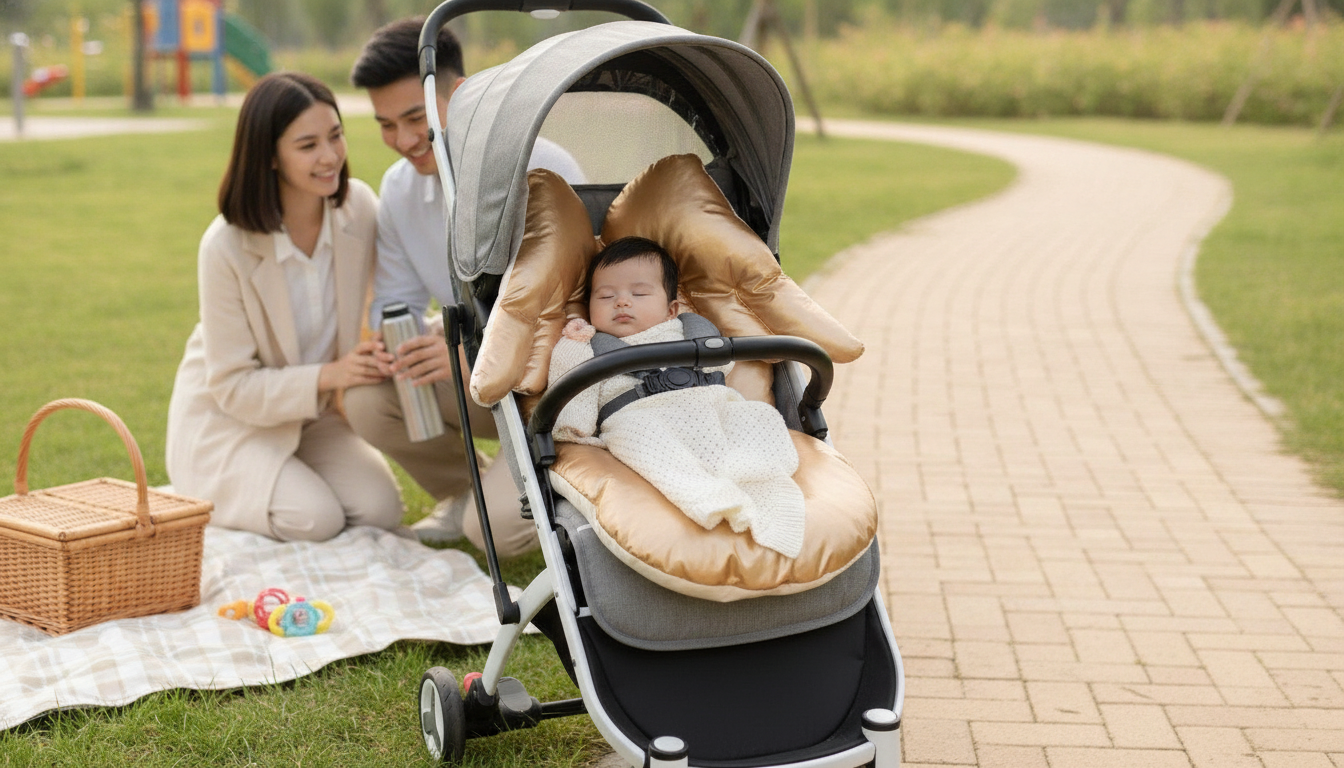
Cozy Infant Stroller & Car Seat Cushion Pad: everyday comfort without complicating harness fit
A well-made cushion pad can add comfort on daily walks and errands while helping reduce pressure points from straps and seat edges. The right option stays in place, fits common stroller and infant car seat shapes, and is easy to keep clean without interfering with harness use. The Cozy Infant Stroller & Car Seat Cushion Pad is built around those practical needs—soft support, straightforward positioning, and a shape that works with many everyday seats when used correctly.
What this cushion pad is designed to do
Small comfort upgrades can make a noticeable difference on longer rides, especially during the early months when babies are more sensitive to pressure and temperature changes. A stroller and car seat cushion pad is typically meant to:
- Add a softer layer between baby and the seat to improve comfort on longer rides.
- Help minimize rubbing at contact areas (back, sides, and under the legs) while keeping harness routing clear.
- Provide a cozy feel for cooler days without the bulk of thick outerwear in the car seat.
- Offer a simple way to refresh an older seat’s feel without replacing the seat itself.
That last point matters for families using a secondary stroller at grandparents’ houses or a backup infant carrier for quick trips—comfort can improve without changing the seat you already trust.
Comfort features that matter day to day
Not all padding feels better in real use. The best day-to-day cushion pads balance softness with stability, so the baby feels supported while the harness can still be tightened properly.
- Supportive padding: Cushions without creating a “sink-in” feel that can make positioning inconsistent from ride to ride.
- Breathability: Helpful for warm climates, heated cars, or indoor errands where a baby can overheat quickly.
- Gentle surface texture: A smooth, soft-touch finish can reduce friction for sensitive skin (especially around the shoulders and thighs).
- Edge coverage: Protects against firm seams and edges while leaving harness buckle access unobstructed.
Comfort isn’t just about softness—it’s also about fewer readjustments. When a pad shifts or bunches, it can turn a calm transfer into a fussy one, particularly when you’re moving between house, car, and stroller.
Fit and compatibility checklist
Fit is where comfort and safety meet. Before the first outing, take a minute to confirm that the pad sits flat and doesn’t change how the harness lies on the baby.
- Harness slot alignment: Openings should allow straps to lie flat and route correctly.
- Buckle access: The pad should not block the crotch buckle or chest clip placement.
- Seat shape match: Contoured pads generally sit better in infant carriers and stroller seats.
- Stroller use vs. car seat use: Confirm the pad doesn’t create extra slack or change harness positioning.
- Stability: Look for a design that resists shifting when baby is placed in or removed.
Quick compatibility check
| Check | What to look for | Why it matters |
|---|---|---|
| Harness slots | Slots/openings line up with the seat’s harness height | Helps straps stay flat and positioned correctly |
| Buckle access | Clear path to buckle and adjuster | Avoids difficult fastening and reduces misuse risk |
| Pad thickness | Low-to-moderate thickness behind baby | Excess thickness can affect harness snugness |
| Non-slip fit | Secure placement that doesn’t bunch | Keeps comfort consistent and avoids strap interference |
Safety notes for using any car seat cushion
Comfort accessories should never compromise harness performance. For car seat rides, always start with what your seat manufacturer allows and what keeps the harness properly snug.
- Follow the car seat manufacturer’s guidance on adding inserts or liners; some brands allow only approved accessories.
- Avoid adding bulky layers behind baby that could compress and introduce harness slack.
- Verify harness tightness each ride: straps should be snug with no pinchable slack at the shoulder.
- Keep the chest clip at armpit level and ensure straps are not twisted.
- If unsure about compatibility, consult a certified Child Passenger Safety Technician (CPST).
For broader guidance on car seat use and common fit checks, review trusted safety resources like the NHTSA car seat information hub and the American Academy of Pediatrics car seat guidance for families.
Materials, upkeep, and hygiene
When a cushion pad helps most
Cozy Infant Stroller & Car Seat Cushion Pad at a glance
- Product: Cozy Infant Stroller & Car Seat Cushion Pad
- Price: $43.51 (USD)
- Availability: In stock
- Best for: everyday comfort in compatible strollers and infant car seats while keeping harness routing clear
- Before first use: confirm openings align with the seat’s harness slots and buckle, and re-check harness snugness
More in-stock picks for family outings
- Stylish Boys’ Corduroy Hooded Pullover with Pocket (in stock): a cozy layer for cooler stroller walks.
- Bluetooth MP3 MP4 Player with 4.0″ Touchscreen (in stock): a travel-friendly entertainment option for longer waits and commutes.
FAQ
Is it safe to use a cushion pad in an infant car seat?
Safety depends on the car seat manufacturer’s rules and whether the pad allows a snug, correctly routed harness. Avoid overly thick padding behind the baby, and re-check harness tightness each ride; when in doubt, follow the manual or consult a CPST.
Can a stroller cushion pad be used in a car seat too?
Some pads are designed for both, but it must allow proper harness routing and full buckle access. If the pad changes strap position, adds slack, or prevents the harness from lying flat, it shouldn’t be used in the car seat.
How should a car seat cushion pad be cleaned?
Follow the care label, wash gently if it’s machine-washable, and avoid harsh detergents that can break down fabrics. Dry completely, then inspect harness openings and seams to ensure nothing has stretched, frayed, or bunched.





Leave a comment