Help Fearful Pets Trust Again: Gentle Daily Steps
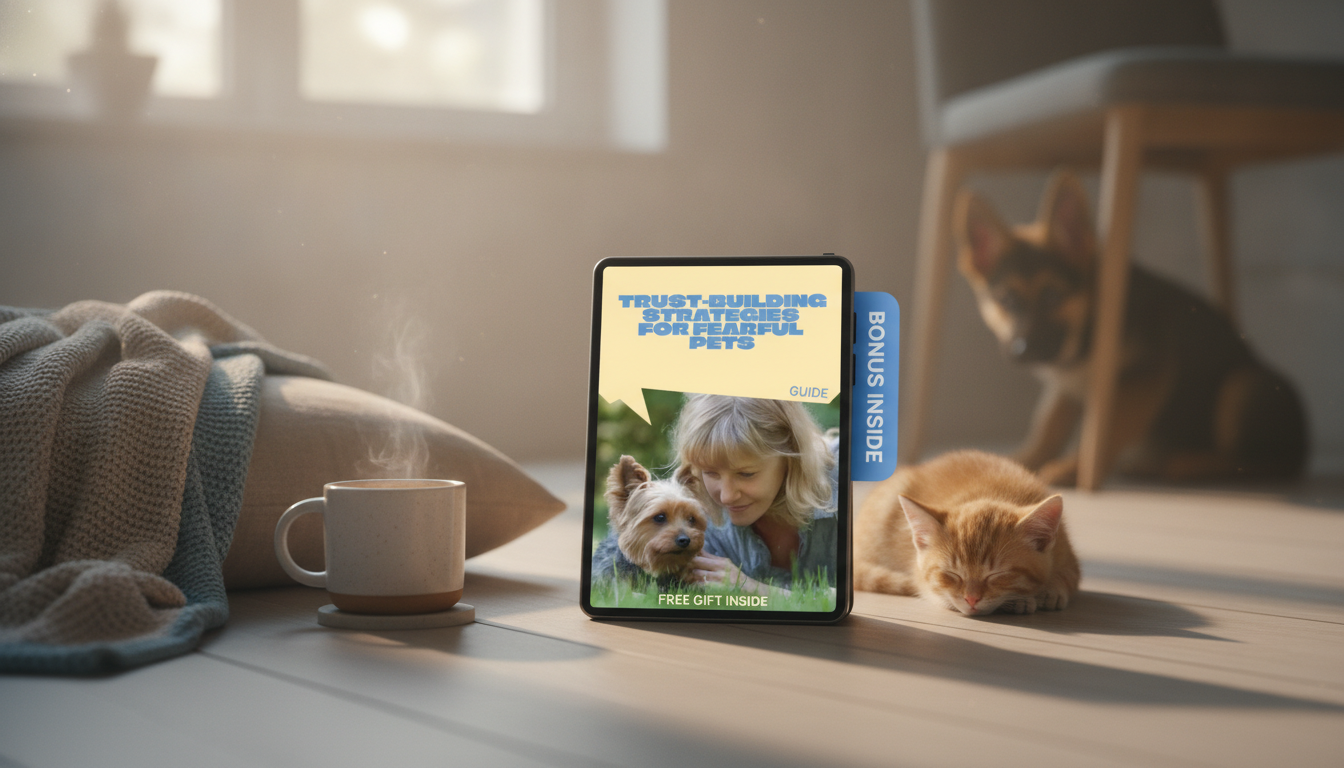
Trust-Building Strategies for Fearful Pets: A Gentle, Step-by-Step Plan for Calmer Days
Fear can change how pets eat, play, and connect. The goal isn’t to force bravery—it’s to create predictable, safe experiences that help a fearful pet choose contact, explore at their own pace, and recover faster after stress. The strategies below focus on reading body language, reducing triggers, reinforcing calm behavior, and building trust through small, repeatable wins.
What Fear Looks Like (and Why “Stubborn” Behavior Is Often Stress)
Fear doesn’t always look dramatic. In dogs and cats it often shows up as freezing, avoiding eye contact, a tucked tail, lowered body, hiding, sudden scratching/licking, panting when it’s not hot, dilated pupils, pinned ears, or growling/swatting when approached. These are communication signals—not “attitude.”
A key concept is threshold: your pet can learn only when they’re under their fear limit. Once they’re over threshold, survival behaviors take over (shut down, flee, lash out), and training stalls.
Punishment tends to backfire because it can confirm that the trigger really is dangerous. It may also suppress warning signals, which can increase bite/scratch risk.
A helpful mindset shift: aim for safety + choice + predictability, then reward calm choices. For more on humane, science-based approaches, see the American Veterinary Society of Animal Behavior (AVSAB) position statements.
Set Up a Home Environment That Feels Safe
Create a dedicated safe zone
Pick a quiet room or corner with a comfortable bed, water, and low-effort enrichment. Make sure your pet has an easy “exit route” so they never feel trapped. For cats, add vertical spaces (cat tree/shelves) and covered hideouts so they can observe without being approached.
Reduce surprise contact
Ask visitors to ignore your pet at first. Avoid looming, direct staring, and reaching over the head. A sideways posture and soft gaze can make you feel less threatening.
Use predictable routines
Consistent feeding, walks, play, and rest reduce overall stress load. The calmer the baseline day, the more resilience your pet has when something unexpected happens.
Buffer sound and visuals
White noise, curtains, and limiting access to window “watching” can prevent repeated startle cycles. For households working on noise sensitivity, a simple player can help with low-volume recordings and masking sound during practice sessions—see the Bluetooth MP3 MP4 Player with 4.0″ Touchscreen for a dedicated option.
Trust Starts With Consent: Handling Rules That Protect Your Bond
Let the pet initiate
Sit sideways, toss treats away from your body at first, and allow approach/retreat without blocking. Choosing to come closer is where confidence begins.
Try the “3-second check-in”
Offer gentle contact for about three seconds, then pause. If your pet leans in, follows you, or clearly asks for more, continue. If they move away or stiffen, stop. This keeps touch predictable and prevents “enduring” handling.
Avoid forced confinement
For necessary care, build cooperative steps
Nails, grooming, and meds go better with cooperative care foundations: tiny steps, high-value rewards, frequent breaks, and clear start/stop cues. If tracking these steps is hard, a quick voice note after each session can help you stay consistent—consider the Mini 8GB Voice Recorder Digital Audio MP3 Player USB Pen with Earphones to capture what worked and what felt too fast.
Rebuild Confidence With Micro-Sessions (1–5 Minutes)
Desensitization and Counterconditioning: Changing Feelings, Not Just Behavior
Trigger-to-Plan Map for Common Fear Situations
| Trigger | Early Signs | First Adjustment | Reward Strategy | Next Step |
|---|---|---|---|---|
| New visitors | Hiding, barking, tense body | Visitor ignores pet; increase distance | Treats tossed away from visitor | Short, calm exposures; add visitor movement slowly |
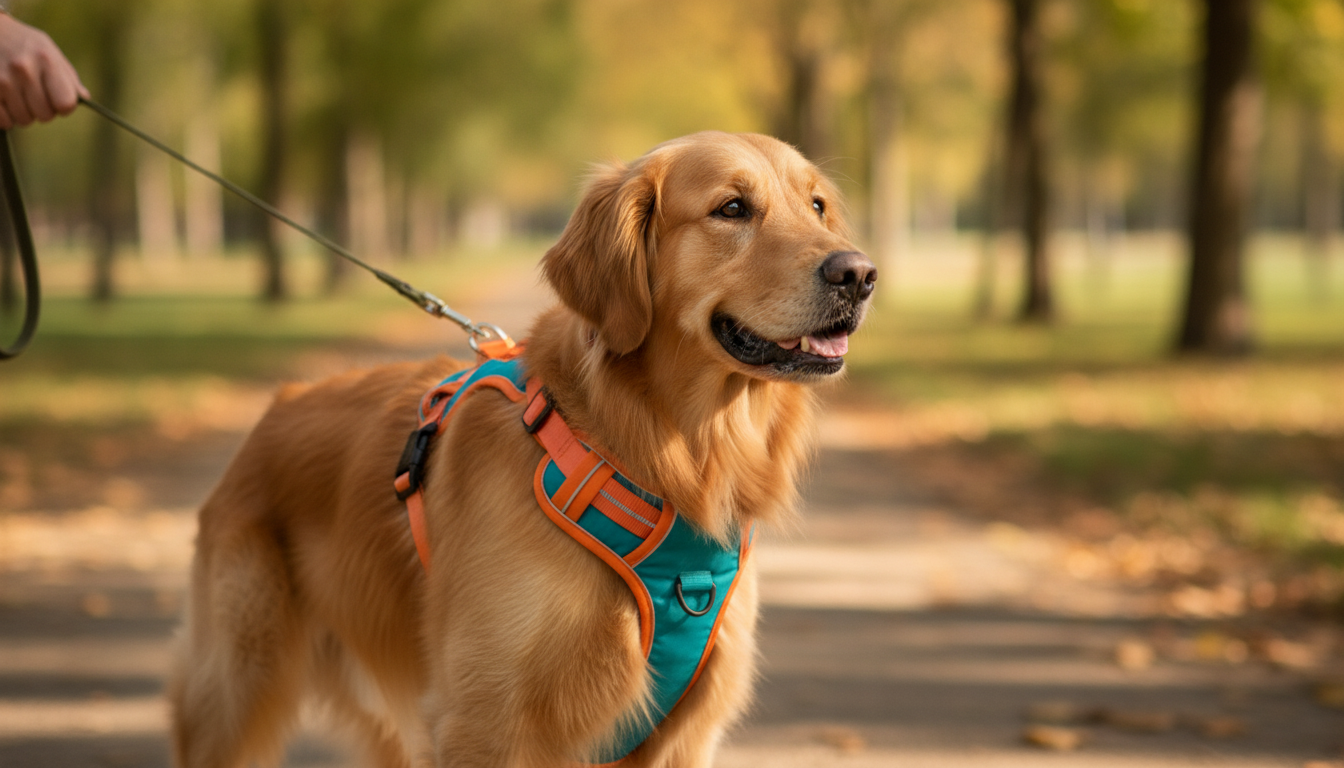
| Leash/going outside | Freezing at door, refusing harness | Place harness nearby; no reaching | Treat for looking at/approaching harness | Touch harness briefly; build to wearing indoors |
| Noises (thunder, fireworks) | Panting, pacing, trembling | Sound masking; safe room setup | Treat scatter or lick mat during low-volume recordings | Gradually increase volume with calm activities |
| Handling (paws, brushing) | Pulling away, lip lick, tail tuck | Stop at first stress sign | Reward for allowing brief touch | Increase duration; introduce tools as separate steps |
| Other animals | Stiff posture, staring, growl | Increase distance; add visual barriers | High-value treats for checking in with handler | Parallel movement; controlled, calm exposures |
Enrichment That Lowers Anxiety and Builds Optimism
For more signs and practical context on fear-related behavior, the RSPCA overview of fear and anxiety in dogs is a helpful reference.
Leash, Walks, and Outside Time for Fearful Pets
When to Get Professional Help
Get support if there is biting/scratching, repeated escape attempts, inability to eat due to fear, or escalating reactivity. Look for a certified trainer experienced in fear and aggression, or a veterinary behaviorist for severe cases. The International Association of Animal Behavior Consultants (IAABC) consultant directory is a solid starting point.
A Practical Resource for Pet Owners
For a structured, repeatable approach, Trust-Building Strategies for Fearful Pets (Digital Guide) organizes daily steps, handling boundaries, and confidence-building exercises. It’s especially useful alongside consistent routines and gradual exposure plans in multi-trigger households.
FAQ
How long does it take to build trust with a fearful pet?
Many pets improve over weeks to months, depending on history, genetics, and how intense the triggers are. Progress is best measured by quicker recovery, more willingness to eat or play, and more curiosity—not by never showing fear.
Should a fearful pet be comforted during a scary moment?
Calm reassurance is fine if your pet seeks it, and creating distance or moving to a safer spot is often the most helpful “comfort.” Avoid forcing contact; focus on lowering intensity and pairing the moment with something positive when possible.
What are early signs that a pet is getting overwhelmed?
Look for subtle stress signals like lip licking, yawning, freezing, turning away, tense posture, pinned ears, and dilated pupils. When you see these, pause the situation and add distance before the fear escalates into growling, swatting, or bolting.





Leave a comment