Modern Oak Dresser + Art Pattern Mirror: Styling & Care
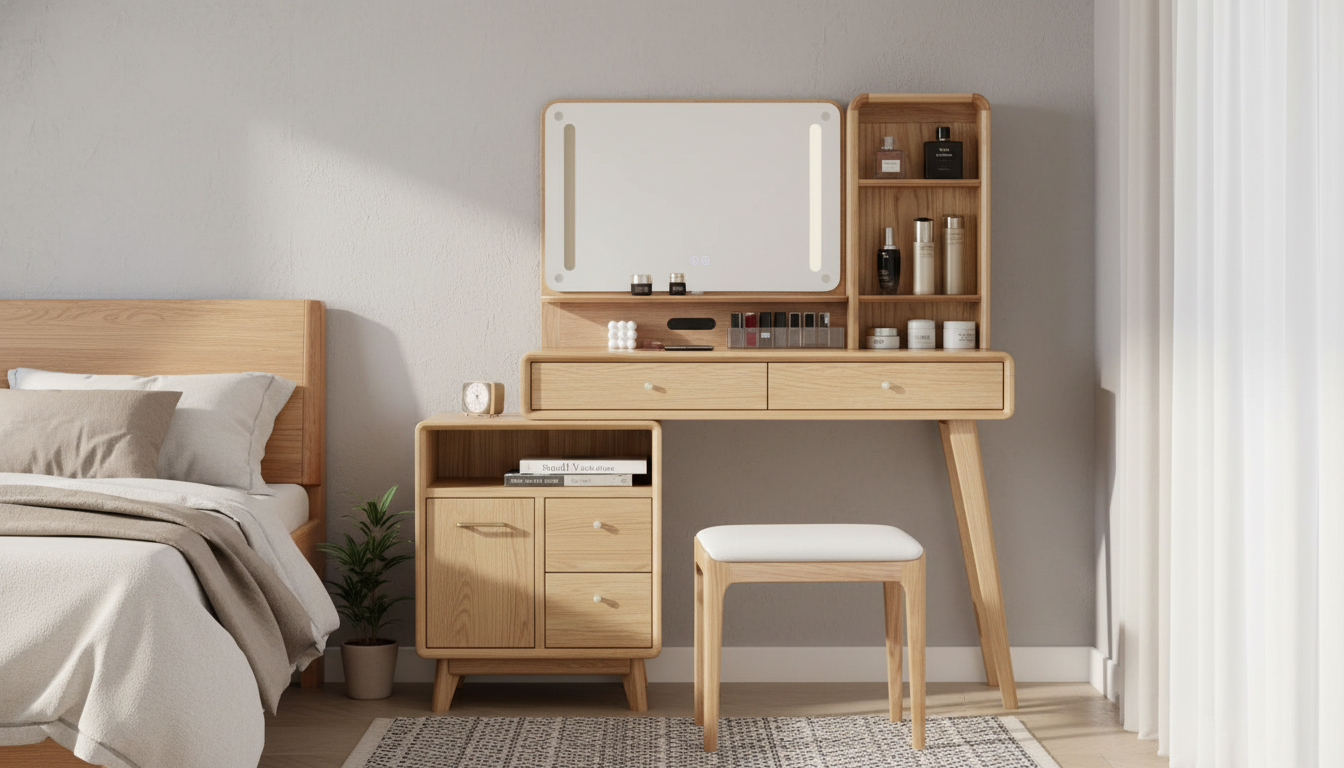
Modern Oak Wood Dresser with Art Pattern Mirror: A Warm, Contemporary Statement
A modern oak dresser paired with an art pattern mirror brings warmth, clean-lined structure, and a focal-point reflection to a bedroom or dressing area. The oak tone adds natural character, while the patterned mirror introduces an artistic layer that can elevate otherwise simple walls and textiles. Together, they create a “ready zone” that feels intentional—both practical for daily routines and polished enough to anchor the room’s style.
What Makes This Dresser-and-Mirror Set Stand Out
This type of set works especially well when the goal is modern design that still feels welcoming. A streamlined silhouette fits contemporary, minimalist, and transitional spaces without leaning ornate, and oak’s visible grain keeps the look grounded rather than stark. The art pattern mirror doubles as décor and function, reflecting light to help a room feel larger and brighter while acting as a centerpiece above the dresser.
Another advantage is simplicity: a coordinated dresser-and-mirror pairing reduces styling guesswork compared with mixing separate pieces. The top surface becomes an easy landing place for morning essentials—think a tray for jewelry, a fragrance bottle, and a brush—so the area stays tidy instead of turning into a clutter magnet.
Shop the Look: In-Stock Picks
If you’re ready to build a cohesive getting-ready setup, these in-stock items can help you start with a strong foundation and add small routine-friendly extras:
- Modern Oak Wood Dresser with Art Pattern Mirror
- Mini 8GB Voice Recorder Digital Audio MP3 Player USB Pen with Earphones (handy for quick notes, packing lists, or reminders while getting ready)
- Speak Success: Your Power Words Action Checklist (Digital Download) (a simple mindset add-on for a morning routine)
Materials, Finish, and Everyday Durability
Oak is known for its character, and that pronounced grain can be surprisingly forgiving—small wear marks often blend in better than they do on ultra-flat painted surfaces. For daily use, a sealed finish is ideal because it supports quick wipe-downs and helps resist occasional splashes from cosmetics or a water glass.
Before committing to a dresser, check the “hidden” areas too: drawer bottoms, backs, and interior surfaces should feel smooth to reduce snags on folded clothing. For long-term stability, keep wood furniture away from direct heat sources (like radiators) and use felt pads or glides under décor to prevent surface scratching. If your climate swings between very dry winters and humid summers, maintaining a more stable indoor environment can help wood components stay aligned over time.
If you’re comparing materials or want reassurance about composite-wood standards, the U.S. EPA overview of formaldehyde regulations is a helpful reference: U.S. EPA — Formaldehyde Emission Standards for Composite Wood Products (TSCA Title VI). For sustainability-minded shoppers, it’s also useful to understand what certification labels mean: Forest Stewardship Council (FSC) — What FSC Certification Means.
Mirror Design: Art Pattern Impact and Placement
A patterned mirror can function like wall art, often replacing the need for a large print above the dresser while still doing the practical job of reflecting light. The pattern will read differently in daylight versus evening lighting, so plan for layered lighting in the vanity area—ambient light for overall brightness plus a task light (like a table lamp) to soften shadows.
Placement matters as much as design. Position the mirror so it reflects something pleasant—a window, a warm lamp glow, or a styled vignette—rather than a laundry pile or a busy hallway. If mounting is required, confirm wall type (studs, drywall, masonry) and use the right hardware for safe support. Because the mirror already adds visual energy, it pairs best with simple accessories: solid-color trays, minimal vases, and streamlined lamps that won’t compete with the pattern.
Storage Planning: What to Put in Each Drawer
Good drawer planning is the fastest way to keep a dresser looking calm on the outside. Assigning categories also reduces “shuffle stress” when mornings are rushed.
Quick Setup Checklist for a Smoother Daily Routine
| Area | Best Use | Add-On Organizer |
|---|---|---|
| Dresser top | Daily-ready items (tray, fragrance, brush) | Low-profile tray + felt pads |
| Top drawer | Small garments and accessories | Modular dividers |
| Middle drawers | Folded clothing by category | Label tabs or drawer bins |
| Bottom drawers | Bulky or seasonal items | Sachets/cedar + soft-sided bins |
| Mirror zone | Grooming and quick checks | Sconce or table lamp for even light |
Room Styling Ideas That Pair Well with Oak
Practical Placement: Flow, Clearance, and Safety
Care and Maintenance for a Fresh, Clean Look
Avoid harsh abrasives and overly wet cleaning methods, which can wear finishes over time. If you want a step-by-step refresher on safe basics, this guide is a solid reference: The Spruce — How to Clean Wood Furniture. A quick seasonal re-organization also helps: keep daily-use items in the easiest drawers and move off-season pieces down low so the dresser stays functional and uncluttered.
FAQ
Does an art pattern mirror make a room feel busier?
It can, but it doesn’t have to. Keep surrounding décor simple, limit extra wall art above the dresser, and repeat only one or two accent colors so the pattern reads as a feature instead of visual noise.
How should a dresser mirror be positioned for the best lighting?
Place it to catch natural light without reflecting harsh glare, and add side lighting (a lamp or sconces) for even illumination. Relying on strong overhead-only lighting tends to cast shadows on the face.
What is the best way to protect an oak dresser top from daily wear?
Use felt pads under décor, a tray for small items, and coasters for drinks, and clean spills quickly. Never place hot tools directly on the surface—use a heat mat to prevent marks and finish dulling.





Leave a comment