Rotating Duck-Bill Tea Filter: Cleaner Loose-Leaf Pours
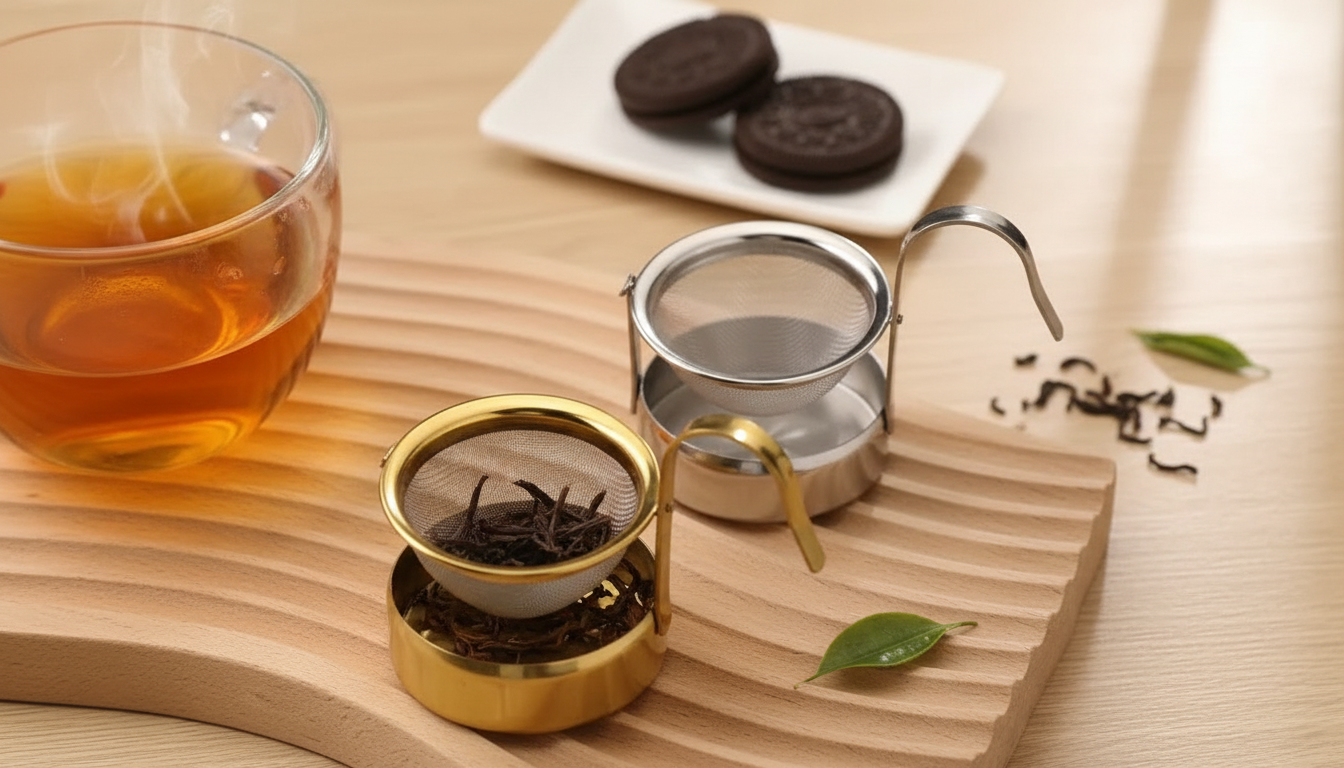
Stainless Steel Rotating Duck-Bill Tea Filter for Home Brewing
A rotating duck-bill tea filter makes loose-leaf brewing cleaner and more controlled by combining fine stainless steel filtration with a directional spout. If you regularly decant tea from a pot, jar, or mug into a serving cup, this style of strainer helps reduce stray leaf bits, messy drips, and splashy pours—without relying on disposable bags. Below is a practical guide to how it works, what it’s best for, how to use it with common vessels, and how to keep flavors crisp over time. For more guidance, see Control Devices NC25-1UK002 Adjustable Brass Safety Relief ….
What a rotating duck-bill tea filter does
At its core, a rotating duck-bill tea filter sits over the receiving vessel (like a cup or pitcher) while you pour brewed tea through it. The fine mesh catches loose leaves, herbs, and small fragments so the final cup stays clearer and smoother. For further reading, see Big Wooden Scoop Shovel For Ground Coffee, Beans, Flour, Salt ….
- Filters loose leaves, herbs, and small fragments while allowing a smooth pour into a cup, mug, or pitcher.
- Duck-bill spout helps guide flow to reduce drips and splashes, especially when pouring into narrow openings.
- Rotating head supports quick alignment over different cup angles and heights.
- Stainless steel construction is designed for repeated use and easy rinsing after brewing.
For shoppers who care about materials used around food, it’s also worth reviewing general guidance on food-contact surfaces from the U.S. FDA — Food Contact Substances.
Design highlights that matter during daily brewing
Small details make a big difference when you’re pouring hot liquid quickly and trying to keep your counter clean. A rotating duck-bill filter is built around control: where the stream goes, how fast it drains, and how stable it feels when loaded with wet leaves.
- Rotating mechanism: helps position the spout without moving the entire vessel, useful when brewing at a crowded counter.
- Fine mesh filtration: better at catching small particles than coarse strainers, which can improve clarity in the cup.
- Spout geometry: the duck-bill shape encourages a more coherent stream, reducing edge drips compared with flat-rim strainers.
- Stable seating: intended to rest securely over common cup rims; stability matters most when the filter is loaded with wet leaves.
Best uses at home: teas, herbs, and cold-brew setups
This filter style is versatile because it doesn’t force you into one steeping method. Brew in your favorite vessel, then strain cleanly into the one you want to drink from or store in the fridge.
- Black, green, oolong, and white teas: helps keep fine leaf dust out of the final pour.
- Herbal infusions: mint, chamomile, rooibos, and mixed botanicals strain cleanly without disposable bags.
- Iced tea and concentrates: strain into a pitcher, then dilute and chill.
- Cold brew tea: brew in a jar, then pour through the filter into a serving bottle for clearer results.
If you’re dialing in steep times and temperatures, the Specialty Tea Association — Tea Brewing Basics is a solid reference point for building consistent routines.
How to use it for a cleaner pour (quick routine)
A simple, repeatable routine helps you avoid clogging and prevents the “last-second splash” that happens when you rush the final pour.
Choosing the right grind, leaf size, and pour speed
Fit and compatibility with common vessels
Compatibility snapshot
| Vessel | Why it works well | Tip |
|---|---|---|
| Standard mug | Easy seating on rim | Aim spout opposite the handle for steadier clearance |
| Glass fairness pitcher | Cleaner decant for multiple cups | Pour in a steady stream to avoid foam and splatter |
| Wide-mouth jar | Great for cold brew transfers | Hold jar close to the filter to shorten the pour distance |
| Narrow-mouth bottle | Directional spout helps target opening | Pour slowly and keep spout aligned to center |
Care and cleaning to prevent off-flavors
| When | What to do | Why it helps |
|---|---|---|
| After every brew | Warm rinse + quick shake dry | Prevents oils and tannins from setting |
| 2–3x per week | Gentle soap wash | Removes flavor-carrying residue |
| Monthly (or as needed) | Soak + soft brush on mesh | Restores flow if pores begin to clog |
When this style of filter is a better pick than tea bags or infusers
Product option in stock
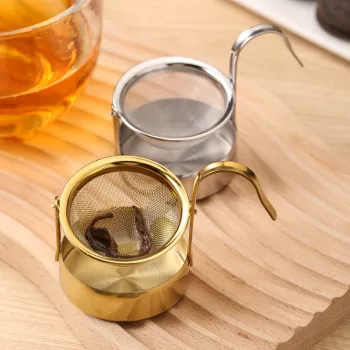
Stainless Steel Rotating Duck-Bill Tea Filter for Home Brewing (in stock) is designed for reusable, fine-mesh straining with a rotating spout for directional pouring. Price: $45.51 (USD). It’s a practical match for daily loose-leaf drinkers who want a fast rinse-clean routine and less mess when decanting.
More in-stock finds
- Bluetooth MP3 MP4 Player with 4.0″ Touchscreen — a handy option for kitchen music or timers while you brew.
- Mini 8GB Voice Recorder Digital Audio MP3 Player USB Pen with Earphones — useful for recording tasting notes or quick reminders.
FAQ
Does a stainless steel tea filter change the taste of tea?
Stainless steel is typically neutral in flavor, so it shouldn’t change the taste on its own. If flavors seem “off,” it’s usually from residue or oils on the mesh, so rinsing promptly and deep-cleaning occasionally helps keep tea tasting clean.
How do you keep fine mesh from clogging when straining tea?
Pour slowly, avoid dumping the final sediment, and rinse the mesh right after use so particles don’t dry in place. If fines lodge in the screen, use a soft brush; very dusty blends may need more frequent soap washes or soaks.
Can it be used for herbs and fruit infusions as well as tea leaves?
Yes—herbs and mixed botanicals strain well through fine mesh, making it easy to skip disposable bags. Very pulpy ingredients can slow the flow, so gentler pouring (and leaving heavier pulp behind) helps maintain a steady stream.




Leave a comment