Winter Plaid Dress Coat for Cats & Small Dogs: Fit Tips
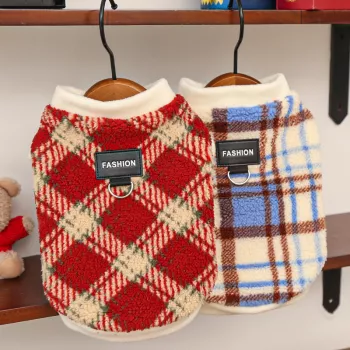
Winter Plaid Pet Dress Coat for Cats & Small Dogs
A cozy plaid coat can make winter outings more comfortable for small pets while adding a dressed-up look for walks, visits, and seasonal photos. The goal is simple: keep warmth in while keeping movement natural. Below are practical guidelines for fit, comfort, layering, and care—especially helpful for cats and small dogs who chill faster in wind and low temperatures. For more guidance, see National Dress Up Your Pet Day – Countryside Veterinary Clinic.
What Makes a Good Winter Coat for Small Pets
A winter coat works best when it adds warmth without changing how a pet walks, sits, or turns. Look for these basics before ordering: For further reading, see DCHS Offers Tips to Keep Animals Safe in Winter.
- Warmth without bulk: Insulation should help retain heat while keeping the chest, shoulders, and elbows free to move.
- Comfort-first design: A soft inner feel and smooth seams reduce rubbing, especially under the arms and along the chest.
- Easy on/off: Fast closures matter for pets that dislike dressing; a secure fit helps prevent slipping during walks.
- Coverage that counts: Chest and belly warmth can be important for small dogs; cats often prefer lighter, less restrictive coverage.
- Practical style: A plaid dress-coat look works for everyday strolls and special occasions without needing separate outfits.
For general cold-weather safety reminders—like avoiding prolonged exposure and watching for signs of discomfort—see guidance from the American Veterinary Medical Association (AVMA) and the American Kennel Club (AKC).
Fit and Sizing: Measure Before Buying
Measuring takes a minute and prevents the most common coat issues: pinching at the armpits, riding up the back, or twisting during a walk. Use a soft tape measure and keep your pet standing naturally.
- Measure the chest (girth): Wrap the tape around the widest part of the ribcage; this is often the most important measurement.
- Measure the neck: Keep the tape snug but not tight; allow space for a collar if needed.
- Measure the back length: From the base of the neck to the base of the tail; avoid measuring to the tip of the tail.
- Leave breathing and movement room: A useful rule is being able to slide two fingers under the coat at the chest/neck.
- Re-check after grooming: Fluffy coats can change fit; a freshly groomed pet may need a slightly different size than a fully fluffed coat.
Quick Measuring Guide for Coats
| Measurement | How to Measure | Common Fit Problems | Easy Fix |
|---|---|---|---|
| Chest (girth) | Around the widest part of the ribcage | Coat rides up, tight under front legs | Size up or choose more adjustable closure |
| Neck | Around the base of the neck | Gapping at neck or choking feel | Adjust closure; ensure room for collar |
| Back length | Base of neck to base of tail | Coat too short (no coverage) or too long (hits tail) | Choose the closer length; prioritize chest fit |
| Leg/arm openings | Check clearance at shoulders and elbows | Chafing or restricted stride | Loosen closure; select a cut with more shoulder room |
Comfort and Safety Checks for Cats and Small Dogs
Even a well-sized coat should pass a quick comfort check—especially for cats or sensitive small dogs.
- Run a movement test indoors: Have the pet walk, sit, and climb a step; the coat should not twist or tug.
- Watch for stress signals: Freezing, crouching, pawing at fasteners, or hiding can mean the coat is too tight or unfamiliar.
- Inspect contact points: Look for redness at armpits, chest, and neck after short wear sessions.
- Avoid snag hazards: Keep trims and edges away from leash clips, nails, and crate wires; remove the coat when unsupervised if the pet tends to chew fabric.
- Temperature matters: Coats help in cold, windy conditions, but indoor overheating can happen—remove the coat once back inside.
A helpful habit is a short “trial wear” indoors for a few minutes over a couple days. Many pets accept outerwear faster when it’s paired with treats, play, and calm praise—then transitioned to brief outdoor use.
Layering and When to Use a Dress Coat
A plaid dress coat is ideal for everyday winter routines when comfort is the priority and the weather is brisk rather than extreme.
Care and Storage for Winter Pet Outerwear
Winter Plaid Pet Dress Coat: At-a-Glance
Product Snapshot
| Item | Best For | Price | Availability |
|---|---|---|---|
| Winter Plaid Pet Dress Coat for Cats & Small Dogs | Cold-weather walks and seasonal outfits for cats and small dogs | $13.97 | In stock |
Related Finds (In Stock)
- Winter Plaid Pet Dress Coat for Cats & Small Dogs ($13.97)
- Stylish Boys’ Corduroy Hooded Pullover with Pocket ($7.82)
- Bluetooth MP3 MP4 Player with 4.0″ Touchscreen ($34.67)
FAQ
How do you know if a pet coat fits correctly?
A good fit stays in place without sliding, allows a full stride, and leaves enough room to slip two fingers under the chest/neck area. After a short wear session, check for rubbing at the armpits and chest.
Can cats wear winter coats safely?
Many cats can wear coats safely when introduced gradually and when the coat doesn’t restrict the shoulders or trigger stress behaviors. Supervise wear, and remove the coat if the cat freezes, hides, or chews at the fabric.
Should a pet wear a coat indoors after coming in from the cold?
Usually no—remove it indoors to prevent overheating and to let the coat dry fully. Keep it on only for brief transitions, like moving from the car to the door.




Leave a comment