Speak Success: 5-Minute Power Words Checklist

Speak Success: Power Words Action Checklist for a Stronger Daily Mindset
Momentum often starts with what gets repeated—out loud, in writing, and in the moments that usually run on autopilot. Speak Success is a digital action checklist built around power words and simple daily cues, designed to help shape focus, confidence, and follow-through in work, goals, and personal growth routines. Instead of waiting to “feel ready,” it turns language into a quick daily reset: choose words, connect them to behavior, and take a small proof action that keeps the day moving.
What the Power Words Action Checklist Is
Speak Success is a digital download built for quick daily use: scan the page, choose a few words, take one small action, and repeat. It treats language as a practical cue for behavior—short words and phrases that nudge the next step when motivation is inconsistent.
Because it’s simple and flexible, it can stand alone as a mindset tool or plug into a larger system like goal-setting, journaling, time-blocking, or habit tracking. Use it however it fits best: print it for your desk, save it on a tablet for easy annotation, or keep it as a pinned phone note so your words are always within reach.
If you want the ready-to-use file, find it here: Speak Success: Your Power Words Action Checklist (Digital Download).
Why Words Can Change the Way a Day Unfolds
Self-directed language can influence attention. When a word gets repeated and carries emotion, the brain becomes more likely to filter for it—spotting opportunities to act in alignment and noticing when you drift off course. That’s one reason intentional self-talk is often discussed as a stress and performance support tool by credible organizations like the American Psychological Association.
Short, consistent words can also become “anchors”—a fast interruption when the mind starts looping into doubt, avoidance, or overthinking. A single cue like “steady” or “clear” can redirect behavior toward a chosen value without requiring a full mindset overhaul.
Power words work best when they’re paired with something concrete. A tiny action turns a good idea into evidence, and that evidence builds the next step. This aligns with the idea of progress through small wins, a concept highlighted by Harvard Business Review.
How to Use Speak Success in 5 Minutes
The fastest way to make this checklist work is to keep the process lightweight. Pick a few words, define them as behaviors, choose one proof action, and put your cues somewhere visible. You’re not trying to create the perfect day—just a clearer next step.
5-Minute Daily Power Words Routine
| Minute | Prompt | Example output |
|---|---|---|
| 1 | Choose 1–3 words | “Calm. Clear. Finish.” |
| 2 | Define the words as actions | Calm = slow breathing before replies; Clear = ask one clarifying question; Finish = complete one key task |
| 1 | Select one proof action | Work 25 minutes on the priority task |
| 1 | Place words in view | Phone lock screen + planner |
| End of day | Quick check-in | Circle the word that felt strongest; rewrite the one that didn’t |
Power Words That Pair Well With Real-Life Goals
Words are most useful when they point to something you can do—not just something you want to feel. If a word is hard to act on, tighten it until it becomes behavioral.
- For productivity: prioritize, complete, simplify, commit, consistent.
- For confidence: capable, practiced, steady, worthy, ready.
- For communication: listen, clear, kind, direct, patient.
- For stress support: grounded, breathe, soften, pause, restore.
- For fitness/health habits: show up, fuel, recover, strong, durable.
Tip: if you catch yourself choosing “big” words that feel inspiring but vague, add a second word that makes it easier to execute. Example: “Confident” plus “prepared.” Then your proof action becomes obvious: prepare the first slide, pack the gym bag, draft the opening line, or ask the first question.
Turn Words Into Actions: “Proof Actions” That Build Momentum
Proof actions are small, measurable steps that “confirm” your word in real life. They should take under 10 minutes whenever possible—starting beats perfect planning.
- Match each word to a tiny action: “Finish” = write three bullet points; “Grounded” = two minutes of slower breathing; “Direct” = send the clear message instead of rewriting it five times.
- Use if–then prompts: If procrastination shows up, then start a 5-minute timer. If anxiety spikes, then do a one-sentence plan.
- Create default proof actions: tidy one surface, drink water, stand up and reset posture, draft the first sentence, outline the next three steps.
- Keep it measurable: the checklist should feel satisfying to complete, not debatable.
For deeper pattern work—like avoidance, inconsistency, or perfectionism—pair the checklist with a more structured guide such as Break Free: Stop Self-Sabotage Today (Digital eBook).
Best Ways to Use a Digital Download Checklist
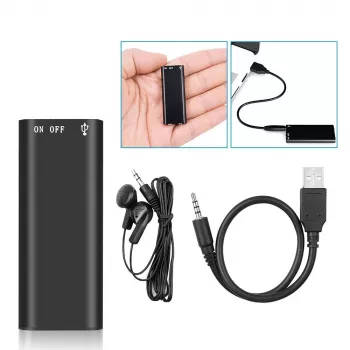
If you want to reinforce your words through spoken practice, record a quick daily voice note: say your 1–3 words, define them as behaviors, and name the proof action you’ll do next. A simple tool that supports this habit is the Mini 8GB Voice Recorder Digital Audio MP3 Player USB Pen with Earphones.
Who This Checklist Helps Most
Pair It With Supportive Tools for Deeper Change
FAQ
How many power words should be used each day?
Use 1–3 words. One core word plus one supporting word is often enough to stay focused, while more than three tends to turn into noise and gets ignored.
Does repeating power words actually help with confidence and follow-through?
It helps most when the words act as attention anchors and behavior cues, not just positive slogans. Pair each word with a small proof action and repeat consistently; steady repetition beats occasional intensity.
Can the checklist be used on a phone or tablet without printing?
Yes. Save it as a note or PDF you can annotate, set your words as a lock-screen reminder, and use recurring alarms for morning selection, a midday reset, and an evening check-in.






Leave a comment