Detecting Voice-Activated Recorders: What Gives Them Away

Can a voice-activated recorder be detected?
Yes, a voice-activated recorder can be detected, but it depends on what kind of “detection” is being used. Most small recorders don’t broadcast a signal, so they won’t show up on typical RF (radio frequency) bug detectors the way some wireless devices can. However, they can still be found through a physical search, by noticing operational clues, or with specialized counter-surveillance tools.
What makes a voice recorder easier to spot?
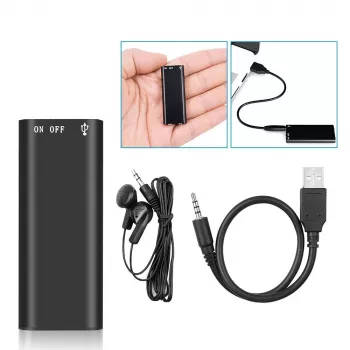
The biggest giveaway is usually the hardware itself: an out-of-place USB “pen,” a small device tucked into a bag, or something plugged into a computer or charger at an odd time. Indicators like tiny LEDs, switch positions, or a faint click when the unit starts/stops can also draw attention. Even when the recorder is small, wires (like earphones), unusual placement, or repeated handling can make it more noticeable.
Can electronic sweeps find it?
If the recorder is a standalone device that stores audio locally, it may not emit a detectable RF signal. That said, some environments use more advanced methods—like non-linear junction detectors (NLJDs)—which can sometimes locate electronics even when they aren’t transmitting. Those tools are uncommon and typically used by professionals.
How to reduce the chance of detection
Choose a recorder with a discreet form factor, minimal or no status lights, and quiet controls. Keep placement natural (where a USB device or small accessory wouldn’t look suspicious) and avoid moving or checking it frequently. If you’re considering a compact, everyday-looking option, this guide to a mini USB pen voice recorder outlines the design, basic operation, and what to look for: https://emperalle.com/guide-mini-8gb-usb-pen-voice-recorder-with-earphones/.
FAQ
How long can a mini USB voice recorder typically record?
It varies by model and settings, but most small USB-style recorders are limited by battery life and storage capacity. Expect anywhere from a few hours to a full day of recording on a charge, with storage often covering many additional hours depending on audio quality.


Leave a comment