Build Personal Style: A Signature Look That Feels Like You
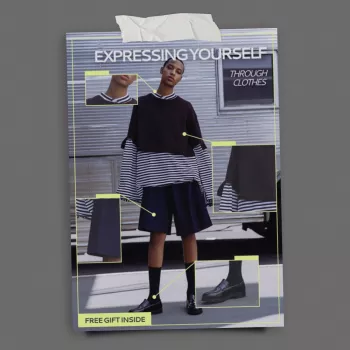
Expressing Yourself Through Clothes: Build Personal Style and a Signature Look
Clothes can communicate mood, values, creativity, and confidence before a single word is spoken. A personal style that feels authentic is less about chasing trends and more about translating personality into repeatable outfit choices—colors, shapes, textures, and details that feel like “you.” Research even suggests what you wear can influence how you think and perform, a concept often discussed as “enclothed cognition” (Journal of Experimental Social Psychology). And the broader psychology of dress explores how clothing connects to identity and social perception (APA).
Below is a practical, low-pressure process to identify your style cues, edit your closet with purpose, and build a signature outfit formula that works for daily life, work, and social moments.
Start with a Style Identity (Not a Trend)
Personal style gets easier once you define what you’re aiming for. Instead of copying a trend wholesale, start by choosing 3–5 style words that describe how you want clothes to feel and read. Think: polished, relaxed, artistic, bold, minimalist, romantic, sporty, classic, edgy.
- Pick 3–5 style words and keep them visible (notes app, closet door, Pinterest bio).
- List the real-life scenarios your wardrobe must serve: workdays, weekends, school pickup, travel, events, climate, and comfort needs.
- Save 10 outfits you’d actually wear (not just admire). Then look for repeats: similar necklines, shoe types, color families, or silhouettes.
- Define boundaries early: itchy fabrics, restrictive fits, fussy care labels, or colors that drain you. These “no” rules prevent expensive almost-right purchases.
Personality-to-Clothing Translation Guide
| Personality cue | Clothing signals | Easy pieces to try |
|---|---|---|
| Creative | Unexpected color, playful accessories, mixed textures | Printed scarf, statement earrings, patterned socks, color-pop bag |
| Confident | Strong lines, clear contrast, intentional structure | Blazer, sharp-shoulder jacket, dark denim, sleek boots |
| Approachable | Soft textures, warm tones, relaxed silhouettes | Knit cardigan, light-wash denim, sneakers, muted pastels |
| Calm/Minimal | Clean shapes, fewer details, tonal outfits | Neutral tee, straight-leg trousers, simple leather belt, loafers |
| Romantic | Draping, delicate details, rounded shapes | Wrap top, satin skirt, soft blouse, ballet flats |
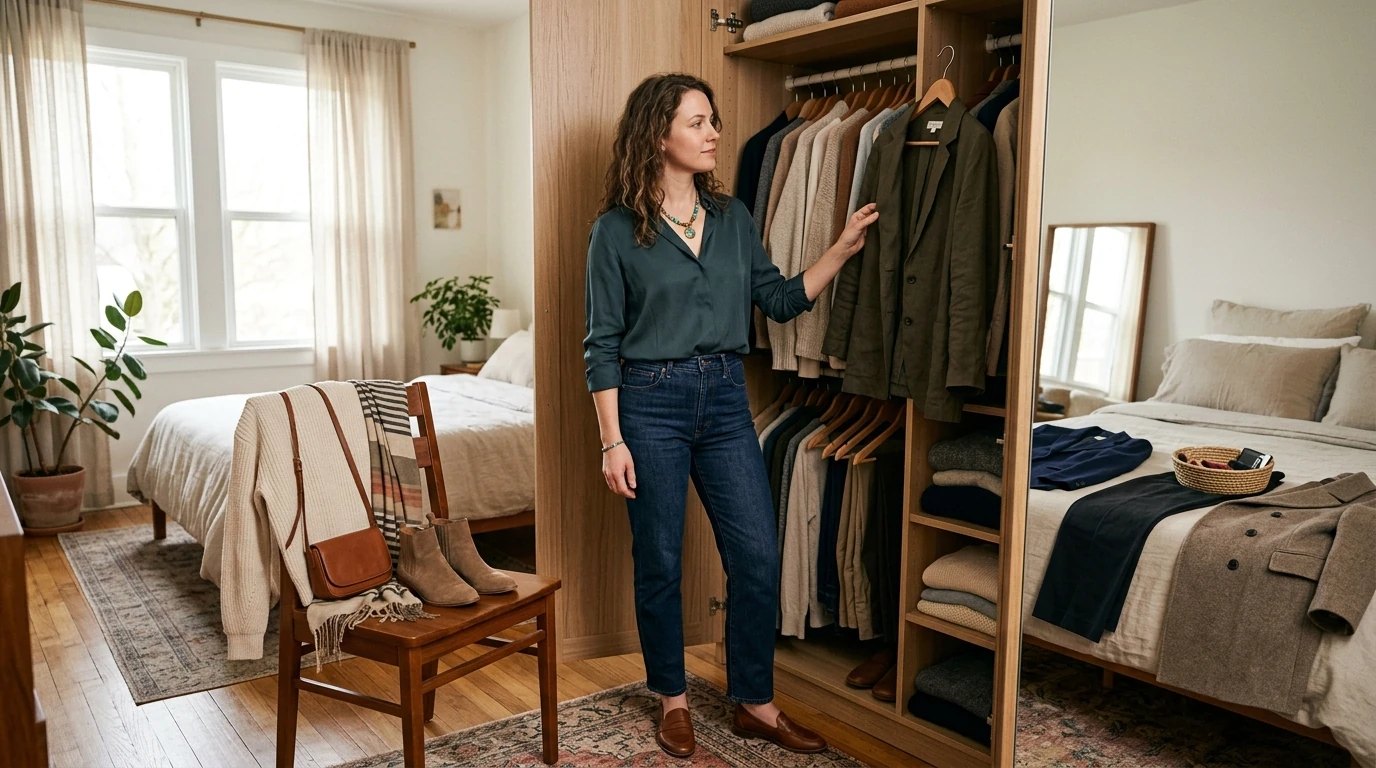
Audit Your Closet for Clues (What You Actually Wear)
Your true style already exists in your habits. The fastest path to a signature look is noticing what you repeat, what you avoid, and why.
- Separate “repeat favorites” from “rarely worn” pieces. Favorites reveal the shapes and fabrics you naturally reach for.
- Identify your top 10 outfits from the last month. Write what made them work: fit, stretch, temperature comfort, movement, compliments, or how quickly they came together.
- Spot the gaps that cause outfit stress: missing layers, shoes that don’t match, not enough tops for your best bottoms, or too few basics that anchor louder pieces.
- Decide what to tailor, donate, and store. Tailoring one key item (like trousers that almost fit perfectly) can lift your entire wardrobe’s “put-together” factor.
Build a Signature Look with a Simple Outfit Formula
A signature look isn’t one outfit worn on repeat—it’s a repeatable formula that gives you consistency while staying flexible.
- Pick a go-to silhouette that flatters and feels natural. Examples: straight-leg pants + fitted top; wide-leg pants + cropped jacket; midi dress + structured layer.
- Choose 1–2 “anchors” you’ll repeat weekly: a jacket style, a shoe family (loafers, sneakers, ankle boots), a jewelry motif, or a consistent neckline.
- Create a simple 3-color system: two neutrals (your base) plus one accent color (your personality). Keeping this consistent makes mixing effortless.
- Add one recognizable detail: rolled cuffs, monochrome outfits, layered necklaces, a bold lip with minimal clothing, or a signature fabric like denim, linen, or corduroy.
If you want a guided, step-by-step structure for turning personality into outfits, Expressing Yourself Through Clothes – A Practical eBook on How to Show Personality Through Clothes, Build Personal Style & Create a Signature Look walks through prompts, wardrobe editing, and outfit formulas you can reuse for different seasons.
Use Color, Texture, and Fit to Show Personality
Personality in clothing doesn’t require loud prints or constant reinvention. The most “you” outfits often come from small, consistent signals.
A great example of personality-through-texture is corduroy—cozy, tactile, and visually rich. For a casual, youthful take, see the Stylish Boys’ Corduroy Hooded Pullover with Pocket, which pairs easily with denim and sneakers for a relaxed, approachable vibe.
Create a Practical Shopping Plan (So Style Stays Consistent)
A Simple 7-Day Reset to Lock in Your Style
A Practical eBook for Building Personal Style Step by Step
For anyone who prefers clear steps (instead of guessing), Expressing Yourself Through Clothes – A Practical eBook on How to Show Personality Through Clothes, Build Personal Style & Create a Signature Look is designed to help connect personality traits to clothing choices without relying on constant trend updates. It focuses on guided prompts, signature elements, wardrobe editing, and shopping frameworks that reduce impulse buys and increase outfit consistency.
FAQ
How do you find your personal style if you like multiple aesthetics?
Pick a core identity with 3–5 style words, then treat other aesthetics as accents. Bring those “side styles” in through accessories, color pops, or one statement piece at a time, so your wardrobe still mixes easily.
What is a signature look and how do you create one?
A signature look is a repeatable outfit formula—your preferred silhouette plus a few anchors like a shoe type, jacket shape, or jewelry motif. Pair it with a consistent color system so it stays flexible across seasons and occasions.
How can clothes express personality without feeling overdressed?
Use subtle signals: upgraded textures, balanced fit (one fitted piece and one relaxed piece), and one standout detail like a cuff, necklace layer, or structured shoe. Cohesive colors make even simple outfits look intentional without feeling like “too much.”


Leave a comment