Luxury Minimalist Sideboard Guide: Style, Size, Storage
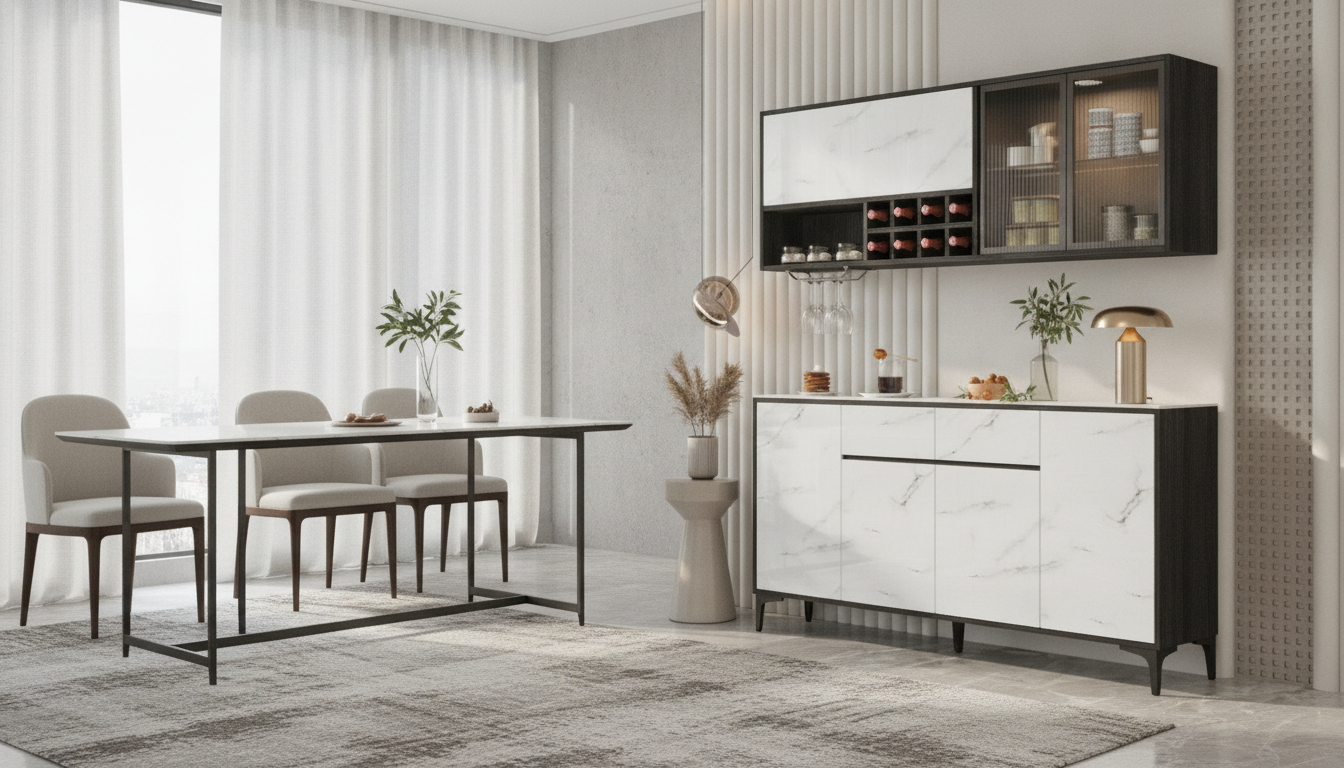
Luxury Modern Minimalist Sideboard: A Refined Storage Statement for Contemporary Interiors
A luxury modern minimalist sideboard balances clean lines with purposeful storage, creating a calm focal point that supports everyday living. From dining rooms to entryways, the right piece brings order, elevates finishes, and keeps essentials close without visual clutter. The result is a space that feels quieter, more intentional, and easier to maintain—because everything has a place, and the exterior stays visually composed.
What Makes a Sideboard Feel Luxurious and Minimal
Minimalism looks effortless when the construction is precise and the materials do the talking. Luxury, in this context, isn’t about extra ornament—it’s about restraint executed well.
- Crisp proportions: Long, low silhouettes with aligned doors and tight reveals create a tailored look.
- Material clarity: Fewer materials, higher quality—premium veneers, stone tops, brushed metals, or satin lacquers.
- Hardware discipline: Integrated pulls or push-to-open fronts keep faces uninterrupted.
- Visual weight: Floating bases, recessed plinths, or slim legs lighten the overall profile.
- Precision details: Consistent grain direction, seamless edges, and thoughtful transitions at corners.
Where It Works Best: Room-by-Room Styling Ideas
A minimalist sideboard earns its keep in multiple rooms. The key is to let the storage do the heavy lifting while styling stays simple and scaled to the wall.
- Dining room: Store linens, serving pieces, and glassware; style the top with one large tray and a sculptural vase.
- Living room: Use as a media or display console with concealed cable management and a single statement lamp.
- Entryway: Keep keys, mail, and seasonal items contained; add a mirror above to expand light.
- Home office: Hide printers, paper, and supplies; reserve one zone for charging gear.
- Bedroom: A streamlined alternative to a dresser for folded essentials and accessories.
Placement Guide for a Clean, Balanced Look
| Location | Primary Use | Top Styling | Lighting Tip |
|---|---|---|---|
| Dining room | Serveware + linens | Tray + one centerpiece | Wall sconce pair for symmetry |
| Living room | Media + concealed storage | Low decor + art leaned behind | Floor lamp to one side |
| Entryway | Daily drop zone | Catchall bowl + small plant | Overhead + mirror bounce |
| Office | Equipment + supplies | Minimal organizer set | Task lamp with warm tone |
Sizing and Layout: Getting the Proportions Right
Minimalist furniture shows every proportional mistake—too small looks temporary, too large feels heavy. A few layout checks keep the look architectural and calm.
- Length: Aim for a sideboard that visually anchors the wall; leave breathing room at both ends for a gallery or sconces.
- Height: Choose a height that aligns with adjacent furniture; keep sightlines clean under artwork or mirrors.
- Depth: Ensure doors and drawers open fully without blocking pathways; confirm clearance near dining chairs. For dining layouts, planning guidance like Architectural Digest’s dining room layout tips can help prevent tight traffic zones.
- Wall relationship: Center it to architectural elements (windows, lighting, art) rather than only to empty space.
- Rug and floor planning: The piece should sit fully on the floor surface without awkward overlap with rug edges.
Materials and Finishes That Suit a Minimalist Palette
Minimalist rooms rely on surfaces: the finish choice affects glare, warmth, and how “busy” the piece feels throughout the day.
- Matte or satin finishes: Reduce glare and keep surfaces visually calm.
- Wood tones: Light oak for airy rooms, walnut for warmth, ebonized finishes for contrast.
- Stone or sintered tops: Add durability and a premium feel; keep veining subtle to maintain restraint.
- Metal accents: Brushed nickel, champagne, or blackened steel; avoid overly ornate profiles.
- Color pairing: Balance neutrals with one anchored accent (charcoal, deep green, or warm taupe) for depth without clutter.
Storage That Stays Invisible: Interiors, Compartments, and Function
Care and Longevity: Keeping a Minimal Finish Pristine
- Use coasters and felt pads: Prevent rings and micro-scratches on matte surfaces.
- Dust gently: Use a soft microfiber cloth; avoid abrasive cleaners that can polish unevenly.
- Protect from direct sunlight: Reduce fading and finish shifts over time.
- Maintain stable humidity: Helps wood components resist warping; see the National Park Service guidance on wood and indoor humidity for practical targets.
- For stone-like tops: Use pH-neutral cleaners and wipe spills promptly.
A Curated Pick: Luxury Modern Minimalist Sideboard
If the goal is a refined storage anchor that complements contemporary interiors, Luxury Modern Minimalist Sideboard is designed to deliver a streamlined profile with practical concealed capacity. It works as a dining room organizer, an entryway landing zone, or a living-room console—especially in spaces that favor calm surfaces, sculptural lighting, and restrained decor groupings.
Quick Snapshot
| Detail | Value |
|---|---|
| Product | Luxury Modern Minimalist Sideboard |
| Price | 1748.49 USD |
| Availability | In stock |
Small Add-Ons That Support a Minimalist Routine
- Mini 8GB Voice Recorder Digital Audio MP3 Player USB Pen with Earphones for quick notes and meetings without paper piles.
- Speak Success: Your Power Words Action Checklist | Digital Download to keep daily priorities focused and clutter-free.
FAQ
What is the difference between a sideboard, buffet, and credenza?
These terms often overlap, but “buffet” is commonly used for dining storage, while “credenza” is frequently used in living rooms or offices. Sideboards are typically long and low like a credenza, and any of the three can work in dining spaces depending on size and storage layout.
How much clearance is needed in front of a sideboard?
Plan for a comfortable walkway plus space for doors or drawers to open fully; in many rooms, about 36 inches works well, while tighter entryways may function with less if the front is mostly drawers. Always confirm chair pull-out clearance if the sideboard sits near a dining set.
How should a minimalist sideboard be styled without looking empty?
Use a simple three-part formula: one tall element (lamp or vase), one grounded element (tray or stacked books), and one functional piece (catchall bowl). Keep a limited color/material palette and leave intentional negative space so the silhouette reads clean, not unfinished.

Leave a comment