Mood Tracker Magic: 3-Minute Daily Checklist + AI

Mood Tracker Magic: A Simple Checklist for Emotional Awareness, Better Habits, and Clearer Days
Mood swings, low-energy weeks, and “why do I feel like this?” moments are easier to navigate when patterns are visible. Mood Tracker Magic is a digital checklist designed to make emotional awareness practical: quick daily check-ins, gentle self-care cues, and optional AI-assisted reflection to spot triggers, supports, and habit loops—without turning mood tracking into another overwhelming task.
What Mood Tracking Really Helps With
Mood tracking isn’t about labeling yourself or forcing positivity. It’s about turning your internal experience into useful signals you can respond to—without guessing.
- Turns vague feelings into observable signals (sleep, stress, connection, nutrition, workload, cycle, environment).
- Helps separate “today was hard” from “something has been building for weeks.”
- Supports habit change by linking actions (walks, hydration, boundaries) to outcomes (calm, focus, resilience).
- Creates language for self-advocacy in relationships, coaching, or therapy (clear examples, not just impressions).
If you’re also building a self-care foundation, resources like NIMH’s guide to caring for your mental health can pair well with simple, repeatable tracking—especially when your goal is steadier days, not perfect ones.
What’s Included in Mood Tracker Magic (Digital Download)
Mood Tracker Magic checklist digital download is built for speed and clarity. It’s intentionally checklist-first, so you can keep the habit even when motivation is low.
- A checklist-style format for fast daily use—ideal for busy schedules or low-motivation days.
- Sections for mood, energy, stress load, and simple context notes (what happened, what helped, what didn’t).
- Self-care and mindfulness prompts that encourage small adjustments rather than all-or-nothing resets.
- Designed for printing or using digitally on a tablet/phone with annotation apps.
How to Use the Checklist in Under 3 Minutes a Day
- Pick a consistent moment: after waking, lunch, or an evening wind-down (consistency beats intensity).
- Circle or mark the mood and energy level first; then add 1–2 context checkmarks (sleep quality, conflict, movement, caffeine, social time).
- Write one short line: “Most likely cause” or “One thing that helped,” keeping it factual and kind.
- End with one micro-next-step (example: “10-minute walk,” “text a friend,” “no screens 30 minutes before bed”).
On rough days, a “minimum viable” entry counts: mood + energy + one note. The goal is continuity, not detail.
AI-Assisted Mood Reflection (Optional, Simple, and Practical)
AI can be useful after you’ve collected a little data—especially when you want a neutral mirror that highlights trends you might overlook. The key is using it as a summary tool, not a verdict.
- Use AI as a mirror, not a judge: summarize your week’s check-ins and ask for patterns you might have missed.
- Helpful requests include: “Find the top 3 triggers,” “List what consistently improves mood,” “Suggest 2 experiments for next week,” “Create a short coping plan for afternoons.”
- Keep the human decision-making: select only suggestions that feel safe, realistic, and aligned with personal values.
- If emotions feel intense or unsafe, prioritize professional support; AI can help organize notes but cannot replace care.
Mindfulness skills can also strengthen reflection without adding pressure. The American Psychological Association’s overview of mindfulness is a helpful reference for grounding techniques that work alongside tracking.
AI reflection prompt ideas (copy/paste)
| Goal | Prompt to use | What to look for |
|---|---|---|
| Spot patterns | Here are my last 7 daily check-ins (mood, energy, stress, notes). Summarize patterns and likely triggers. | Repeated links between sleep/stress/food/social time and mood shifts |
| Build a plan | Based on these check-ins, draft a 3-step support plan for low-energy days. | Simple steps (hydration, movement, connection) that are easy to repeat |
| Test habits | Suggest two small experiments to improve mood stability next week using my data. | Specific, measurable changes (bedtime window, walk frequency, caffeine cutoff) |
| Find helpers | Identify what consistently helps and how to do more of it without adding time. | High-impact actions that fit existing routines |
Privacy, Boundaries, and Safe Use When Adding AI
Making Patterns Visible: Weekly Review That Doesn’t Spiral
Quick weekly review checklist
| Review item | Question to answer | Example takeaway |
|---|---|---|
| Mood range | Which moods showed up most? | Anxiety increased midweek |
| Energy trend | When did energy drop? | Afternoons after heavy meetings |
| Top trigger | What repeatedly preceded tough days? | Short sleep + too much caffeine |
| Top support | What reliably helped? | 15-minute walk + protein snack |
| Next experiment | One change to test next week? | Caffeine cutoff at 1 pm |
Simple Ways to Fit It Into Real Life (Even When Motivation Is Low)
Pairing Tools for Stronger Habit Support
- Add a daily mindset cue: Speak Success: Your Power Words Action Checklist can reinforce steady self-talk during stressful weeks.
- When patterns point to self-sabotage loops, Break Free: Stop Self-Sabotage Today (digital eBook) supports targeted strategy changes instead of relying on willpower.
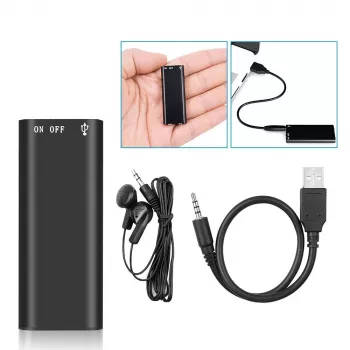
- For voice-note journaling, the Mini 8GB Voice Recorder USB pen captures quick reflections when writing feels like too much—then you can summarize later for your weekly review.
Who This Checklist Is Best For
FAQ
How often should mood tracking be done to see patterns?
Daily check-ins for 2–4 weeks usually reveal clear trends, especially when you add a short weekly review. If daily feels like too much, 3–4 days per week can still be enough to spot repeat triggers and supports.
Can AI accurately track mood or diagnose what’s wrong?
AI can summarize what you share and highlight possible patterns, but it can’t diagnose mental health conditions or tell you “what’s wrong.” For clinical concerns, medication questions, or safety issues, a licensed professional is the right support.
What if tracking my mood makes me feel worse?
Simplify the routine (mood, energy, one supportive action), limit detail, or switch to weekly reflection only. If distress increases or you feel unsafe, pause tracking and seek professional help.





Leave a comment