One-Click Self-Cleaning Pet Grooming Comb: Less Fur Mess
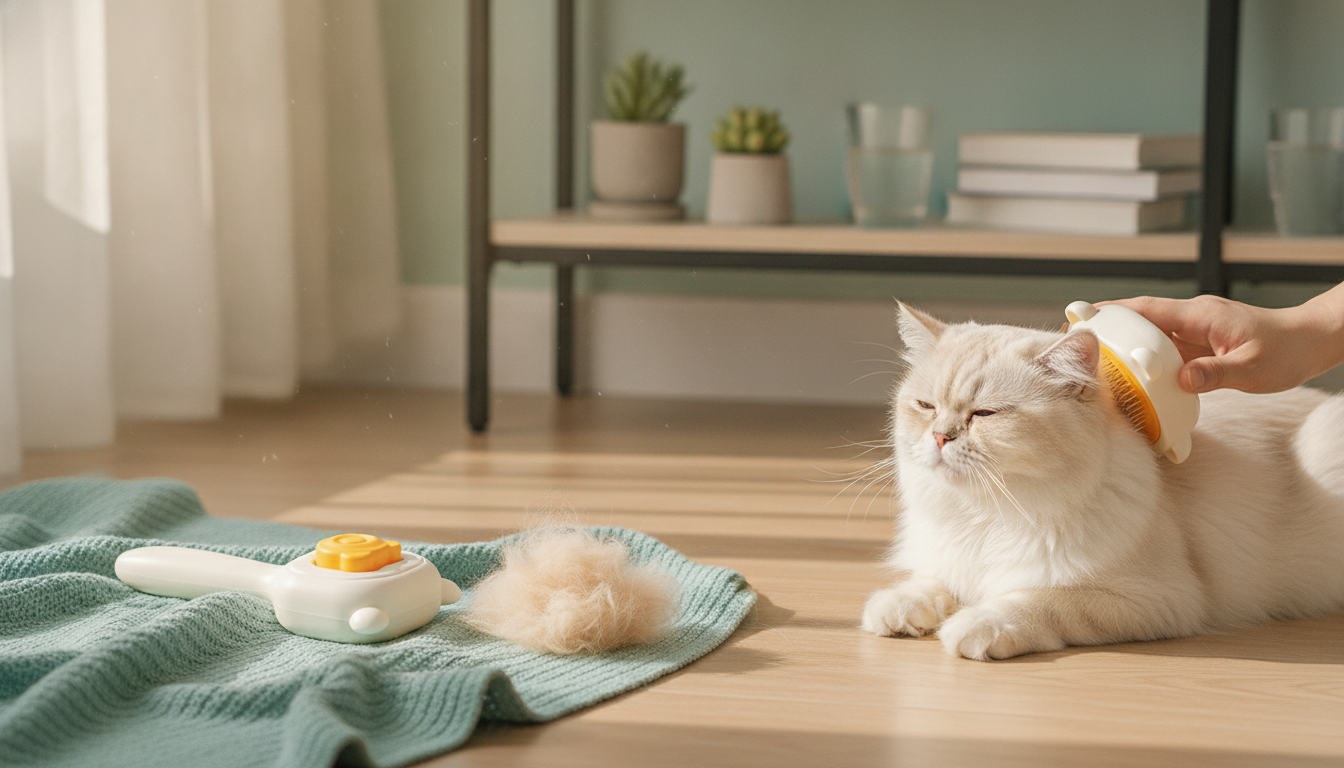
Self-Cleaning Pet Grooming Comb with One-Click Hair Release: Faster Brushing, Less Mess
A grooming comb that clears trapped fur with a single button press can turn daily brushing into a quick, low-stress routine. Instead of stopping to peel hair out by hand (and watching it float onto clothes and floors), a one-click release mechanism lets you drop collected fur straight into the trash and keep going. Below is what this style of comb does best, how to use it across coat types, and simple habits that keep grooming comfortable for both pets and people.
What a One-Click Hair Release Grooming Comb Does
A one-click hair release grooming comb is designed to catch loose hair, light debris, and shed undercoat while you brush, then eject the collected fur when you press a button. That quick “clear and continue” step keeps the teeth working effectively without repeated tugging that can happen when hair builds up between the pins.
- Collects loose hair and shed undercoat during brushing so it’s easier to dispose of (instead of ending up on furniture).
- Uses a push-button mechanism to lift and release accumulated hair from the teeth mid-session.
- Makes short, frequent sessions practical—especially helpful during seasonal shedding.
- Reduces the cleanup chore that often makes brushing feel like a bigger task than it needs to be.
Best Uses by Coat Type and Grooming Goal
This type of comb is most helpful for routine maintenance: removing loose coat, smoothing the top layer, and gently working through minor tangles before they become mats. It’s not a substitute for every grooming tool, but it can be the “daily driver” that keeps coats manageable.
- Short coats: Great for lifting surface shed and boosting shine; use gentle pressure and shorter strokes.
- Medium coats: Helps with everyday shedding and light tangles; work in sections from neck to tail.
- Long coats: Useful for frequent upkeep, but stubborn mats may still need a dematting tool; never yank through knots.
- Double coats: Effective for catching undercoat during blowouts; alternate with an undercoat rake when shedding is heavy.
- Sensitive pets: Button-release clearing reduces repeated pulling because the comb stays effective without manual hair-picking.
Quick brushing guide (starting point)
| Coat type | Suggested frequency | Session length | Notes |
|---|---|---|---|
| Short (smooth) | 2–4x per week | 3–8 minutes | Use light pressure; focus on high-shed areas like back and sides. |
| Medium | 3–5x per week | 5–12 minutes | Brush in layers; check behind ears and under collar/harness. |
| Long | Daily or near-daily | 8–15 minutes | Separate coat into sections; stop and detangle gently if snagging occurs. |
| Double coat | 4–6x per week (daily in shedding season) | 8–15 minutes | Brush with the grain; avoid over-brushing one spot to prevent irritation. |
| Curly/wavy | 3–5x per week | 8–15 minutes | Mist lightly with water/conditioner spray to reduce breakage; don’t pull through tight curls. |
How to Use It for a Calm, Efficient Routine
Consistency matters more than marathon grooming sessions. Aim for a calm setup, gentle strokes, and frequent one-click clearing so the comb glides instead of dragging.
- Do a quick body check first: Look for redness, bumps, ticks/fleas, sore areas, or hotspots. Skip irritated spots and monitor them.
- Set up for stability: A non-slip surface helps dogs feel secure; many cats do best on a lap or stable tabletop. Start with short sessions.
- Brush with the grain: Move in the direction of hair growth using steady, light strokes. Reduce pressure over spine, hips, elbows, and other bony areas.
- Work in zones: Shoulders → back → sides → chest → tail; save belly and legs for last since they’re often more sensitive.
- Use the one-click release often: Clear hair as soon as it accumulates so the teeth stay open and the comb keeps gliding smoothly.
- Pair grooming with rewards: Treats, praise, or a quick play break can turn brushing into a predictable, positive routine.
For broader grooming basics and handling tips, helpful references include the American Kennel Club’s dog grooming guidance and the ASPCA’s cat grooming tips.
Comfort and Safety Tips
For general pet care fundamentals and when to seek professional help, the AVMA pet owner resources are a solid reference point.
Cleaning, Storage, and Longevity
Who This Comb Is a Good Fit For
Product Options to Consider
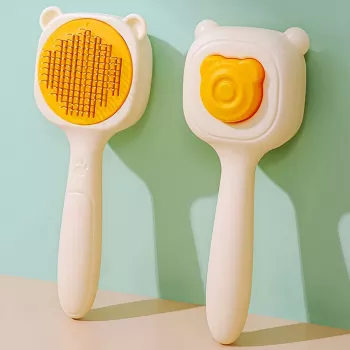
- Self-Cleaning Pet Grooming Comb with One-Click Hair Release — designed to collect fur during brushing and release it quickly with a button press.
- Bluetooth MP3 MP4 Player with 4.0″ Touchscreen — useful for playing calm background audio during grooming to help some pets settle.
- Mini 8GB Voice Recorder Digital Audio MP3 Player USB Pen with Earphones — handy for recording training notes, triggers, and progress when building a calmer grooming routine.
FAQ
How often should a pet be brushed to reduce shedding?
As a baseline, short coats often do well with brushing 2–4 times per week, while long and double coats may need near-daily sessions (especially during seasonal shedding). Consistent, shorter sessions usually reduce loose hair more effectively than occasional long ones.
Can a one-click hair release comb help with mats and tangles?
It can help with light tangles and routine shedding, but tight mats should not be forced. If you hit resistance, stop and switch to a detangler or dematting tool to avoid pulling hair close to the skin.
Is it safe to use a grooming comb on cats?
Yes, when used gently with brief sessions and light pressure. Avoid sensitive areas, watch for stress signals, and end on a positive note with a small reward or break.


Leave a comment