Pet Feeding Schedule Checklist: Simple Daily Plan
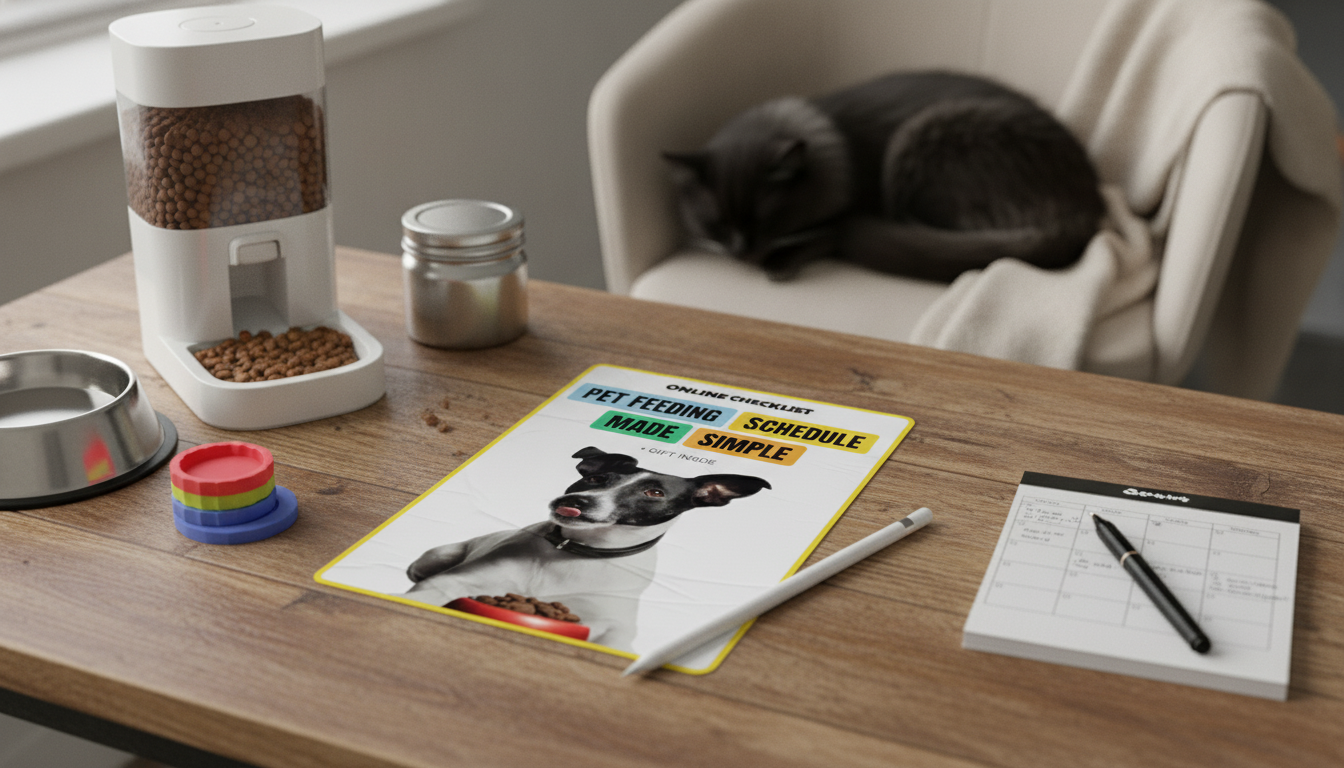
Pet Feeding Schedule Made Simple: An Easy Daily Checklist for Dogs and Cats
A consistent feeding routine supports steady energy, healthier digestion, and fewer behavior hiccups around mealtimes. This guide breaks feeding schedules into simple steps, with practical ideas for dogs and cats, plus an easy checklist to keep everyone in the household on the same page—especially helpful for multi-pet homes and busy weekdays.
Start with the non‑negotiables: health, age, and lifestyle
Before picking times on the clock, lock in the essentials that determine what “right” looks like for your pet.
- Confirm diet type and daily calories with a veterinarian, especially for puppies/kittens, seniors, pregnant/nursing pets, and pets with medical conditions (diabetes, kidney disease, GI sensitivities, food allergies). For trustworthy nutrition basics, see the American Veterinary Medical Association (AVMA) nutrition resources.
- Note age and life stage: puppies and kittens usually need more frequent meals; many adult dogs do well with two meals; many adult cats do well with multiple small meals.
- Factor in activity level and body condition: working/very active pets may need more calories; overweight pets often need tighter portion control. If weight management is a goal, the AAHA nutrition and weight management guidance is a helpful reference to discuss with your vet.
- Account for medications: some should be given with food, some on an empty stomach, and timing can matter.
- Choose your primary feeding method: set mealtimes, measured portions, puzzle feeders, timed feeders, or a hybrid.
Pick a schedule that can be repeated every day
The best schedule is the one your household can follow on normal days and chaotic days.
If your goal is fewer “Did you feed them?” moments, a simple shared routine helps. A ready-to-use printable option is Pet Feeding Schedule Made Simple – Easy Checklist for Daily Routines.
Portion planning made practical (without overthinking it)
Sample feeding schedule ideas for dogs and cats
Simple daily schedule templates (adjust to your pet and vet advice)
| Pet type | Life stage | Meals per day | Example times | Notes |
|---|---|---|---|---|
| Dog | Puppy | 3–4 | 7:00 a.m., 12:00 p.m., 5:30 p.m. (optional 9:00 p.m.) | Keep portions small; consistent timing helps housetraining. |
| Dog | Adult | 2 | 7:00 a.m., 6:00 p.m. | Good fit for many households; measure treats into the daily total. |
| Dog | Senior | 2–3 | 7:00 a.m., 2:00 p.m. (small), 6:30 p.m. | Consider smaller, easier-to-digest meals if advised by vet. |
| Cat | Kitten | 3–4 | 7:00 a.m., 11:30 a.m., 4:30 p.m., 9:00 p.m. | Frequent meals support growth; monitor stool and appetite. |
| Cat | Adult | 2–4 | 7:00 a.m., 6:00 p.m. (optional midday/small late snack) | Multiple small meals can reduce begging and help portion control. |
| Cat | Senior | 3–4 (small) | 7:00 a.m., 12:00 p.m., 5:30 p.m., 9:00 p.m. | Helpful if appetite is inconsistent; discuss weight loss promptly. |
The daily feeding checklist (easy to follow, easy to share)
For households that benefit from a simple “who fed what and when” system, Pet Feeding Schedule Made Simple – Easy Checklist for Daily Routines can be added to the fridge or shared digitally.
Multi‑pet and picky‑eater fixes that protect the routine
- Prevent food theft: feed pets in separate rooms or use microchip/door-access feeding stations for cats when needed.
- Address “grazing” habits: set a 15–20 minute mealtime window, then pick up bowls (unless your vet recommends free-feeding).
- Reduce stress: keep feeding areas quiet, predictable, and away from litter boxes for cats.
- Transition foods slowly over 7–10 days unless your vet instructs otherwise to reduce GI upset. For additional nutrition screening tips, the WSAVA Global Nutrition Toolkit is a useful reference for pet owners.
- Watch for red flags: sudden appetite change, vomiting, diarrhea, rapid weight change, or increased thirst should prompt a veterinary call.
Make the plan stick: simple tools and a printable routine
- Use phone alarms or a shared calendar to reinforce consistent times (especially helpful when multiple people feed).
- Keep supplies in one “feeding station”: scoop/scale, pre-portioned containers, and treats in a single spot reduces guesswork.
- Add enrichment without changing calories: puzzle feeders, lick mats, snuffle mats, or small indoor “scavenger hunts” using measured kibble.
- Capture quick notes when needed: if a pet’s appetite or medication timing is being monitored, a small voice memo can help you remember details for your next vet check. An optional tool is the Mini 8GB Voice Recorder Digital Audio MP3 Player USB Pen with Earphones.
FAQ
How many times a day should a dog or cat be fed?
Puppies and kittens typically need more frequent meals, while many adult dogs do well with 2 meals per day and many adult cats do best with 2–4 smaller meals. Your vet’s guidance and your pet’s body condition should drive the final plan.
Is free-feeding okay for cats or dogs?
Free-feeding can make portion control and weight management harder, especially for food-motivated pets. Measured portions on a schedule (or a timed feeder for small meals) often works better while still keeping hunger and begging in check.
What’s the safest way to change a pet’s feeding schedule?
Shift meal times gradually over several days while keeping total daily calories the same, and monitor appetite and stool. If your pet has a medical condition or takes time-sensitive medications, confirm the plan with your veterinarian first.






Leave a comment