Under-Eye Bags: Natural Fixes + 10-Min AM De-Puff
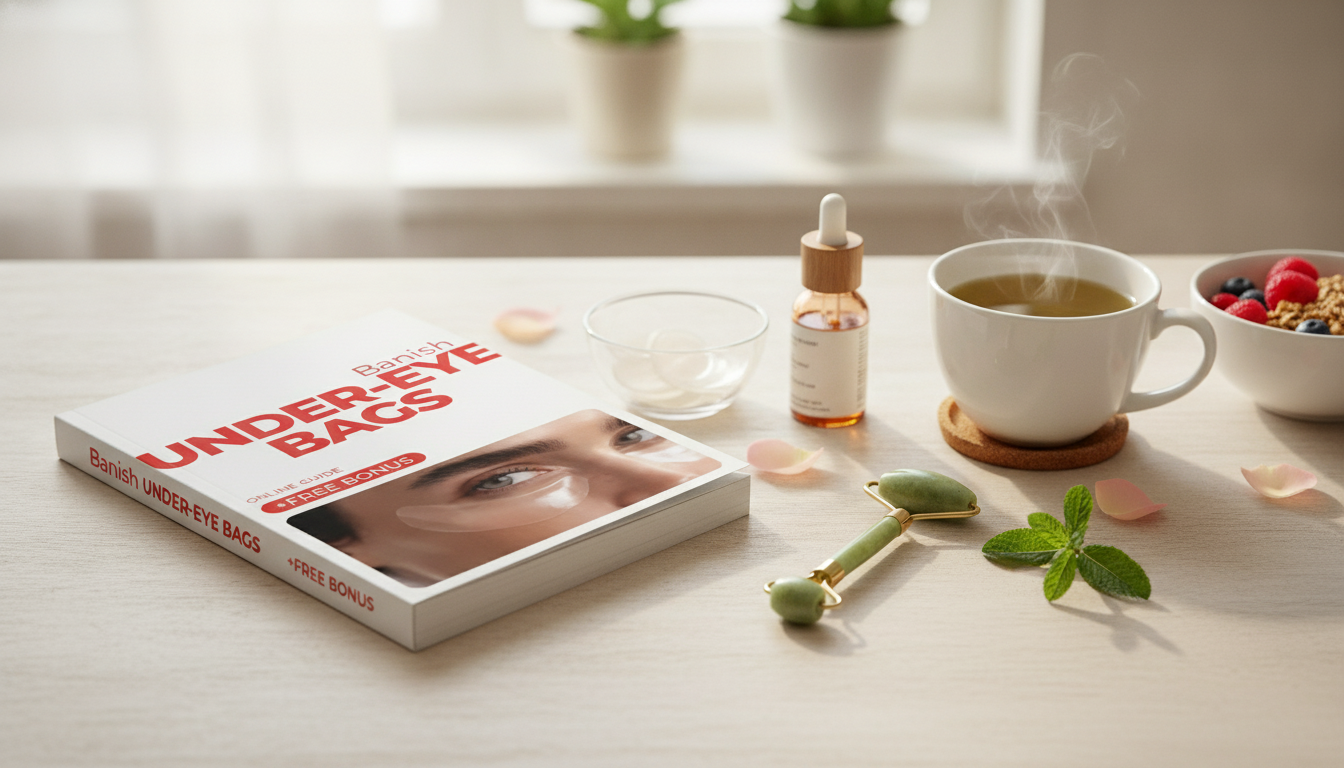
Banish Under-Eye Bags: Natural Remedies That Actually Fit Real Life
Under-eye bags can come from fluid shifting, irritation, allergies, sleep debt, or simple genetics. The good news: small, consistent changes often make the biggest visible difference. This guide lays out practical natural remedies, a simple routine, and clear signs it’s time to switch strategies or seek medical advice.
What Under-Eye Bags Are (and Why They Show Up)
“Under-eye bags” is an umbrella term, and the fix depends on what you’re actually seeing:
- Puffiness: soft swelling that tends to look worse in the morning and improves as the day goes on.
- Dark circles: discoloration (brown, purple, or blue) that may not change much with cold or sleep.
- Hollowness: shadowing from under-eye anatomy (tear trough) that can mimic “bags,” especially in overhead lighting.
Common drivers include fluid retention (salt, alcohol, dehydration), poor sleep, allergies, eye rubbing, irritation from skincare, and aging-related shifts in the under-eye fat pads and skin support. Many people notice mornings look worse because lying flat can allow fluid to pool and lymphatic drainage to slow overnight.
Genetics and facial anatomy matter, too. Natural remedies can meaningfully reduce symptoms like swelling and irritation, but they won’t fully change structural factors like prominent fat pads or deeper hollows. If you’re unsure what you’re dealing with, a helpful clue is responsiveness: puffiness changes quickly with cold and time; structure usually doesn’t.
The 10-Minute Morning Reset (Fast, Low-Equipment)
This is designed for real mornings—minimal tools, minimal steps, repeatable results.
- Cold compress (2–6 minutes total): Use a chilled spoon, gel eye mask, or cold washcloth for 1–3 minutes per side. Avoid placing ice directly on skin to reduce the risk of irritation.
- Gentle drainage (30–60 seconds): With clean hands, use light tapping from the inner corner toward the temple. Keep pressure feather-light; aggressive rubbing can worsen swelling.
- Hydrate + seal: Drink water, then apply a simple moisturizer to reduce transepidermal water loss (the “evaporation” of water from skin) that can make the area look crepey.
- Allergy check-in: If you’re itchy, watery, or sneezy, prioritize allergen control before adding extra topical products. Otherwise, it’s easy to chase swelling with too many new variables.
Quick fixes vs. lasting fixes
| Approach | Best for | How fast it works | Notes |
|---|---|---|---|
| Cold compress | Fluid-related puffiness | Minutes | Avoid over-chilling; consistency matters |
| Gentle massage | Mild morning swelling | Minutes to hours | Too much pressure can worsen swelling |
| Sleep position tweak | Morning puffiness | Days | Slight head elevation can reduce fluid pooling |
| Salt/alcohol reduction | Water retention | 2–7 days | Noticeable if diet-related |
| Allergy control | Itchy, watery eyes and swelling | Hours to weeks | Treat the trigger to prevent recurrence |
Natural Remedies: What to Try (and What to Skip)
Natural-ish doesn’t always mean gentle—especially near the eyes. Focus on low-irritation options that reduce swelling or calm the skin barrier.
Lifestyle Levers That Make Remedies Work Better
- Sleep consistency: A steady sleep window (even more than “catching up”) can reduce stubborn morning swelling.
- Head elevation: A slightly higher pillow or wedge can limit overnight fluid pooling—especially if you wake up puffy most days.
- Salt and ultra-processed foods: Try a 7-day reduction. If your puffiness noticeably improves, fluid retention is likely a key driver.
- Alcohol and dehydration: Alternating alcoholic drinks with water and reducing frequency often improves next-day under-eye swelling.
- Allergy proofing: Wash bedding regularly, reduce dust, and avoid rubbing eyes (rubbing escalates inflammation and swelling). For eye-allergy basics, see the American Academy of Ophthalmology.
- Screen strain: Take frequent breaks and use lubrication as needed. Irritation can mimic puffiness, and chronic rubbing makes it worse.
A Simple Weekly Routine (Sustainable, Not Perfect)
One-week troubleshooting tracker
| Day | Sleep (hrs) | Salt/alcohol | Allergy symptoms | Puffiness (AM/PM) | Notes |
|---|---|---|---|---|---|
| Mon | |||||
| Tue | |||||
| Wed | |||||
| Thu | |||||
| Fri | |||||
| Sat | |||||
| Sun |
When Under-Eye Bags Signal Something Else
Home methods are for routine puffiness—not red flags. Seek medical guidance if swelling is sudden, painful, one-sided, accompanied by redness, fever, vision changes, or shortness of breath. For an overview of causes and when to see a doctor, visit Mayo Clinic.
Persistent swelling with itching/watery eyes may point to allergic conjunctivitis or environmental triggers worth treating directly. Ongoing eyelid irritation (crusty lids, burning, gritty feeling) can also be related to inflammation such as blepharitis—Cleveland Clinic has a helpful overview: Blepharitis (eye inflammation).
Using the Banish Under-Eye Bags Guide for Faster Progress
Helpful picks to support the routine
- Banish Under-Eye Bags: Natural Remedy for Under Eye Bags Guide ($9.99) — a step-by-step, low-overwhelm plan to keep changes consistent.
- Mini 8GB Voice Recorder Digital Audio MP3 Player USB Pen with Earphones ($9.82) — a simple way to record quick notes about triggers (salt, sleep, allergies) without opening more apps.
- Bluetooth MP3 MP4 Player with 4.0″ Touchscreen ($34.67) — useful for wind-down audio to support more consistent sleep timing.
FAQ
How can under-eye bags be reduced naturally overnight?
Focus on fluid shift: use a cold compress for a few minutes, sleep with slight head elevation, reduce late-night salt/alcohol, and avoid rubbing your eyes. Structural bags won’t fully disappear overnight, but morning puffiness often improves quickly.
Are tea bags safe to use under the eyes?
Cooled tea bags can be used briefly if they don’t sting and are clean. Avoid using them hot, and stop right away if you notice irritation or increased watering.
When should under-eye swelling be checked by a doctor?
Get evaluated for sudden or one-sided swelling, pain, redness, fever, vision changes, breathing issues, or swelling that persists without a clear trigger. These signs can indicate something beyond routine puffiness.






Leave a comment