Youthful Skin Science: Daily Habits That Beat Quick Fixes

The science of youthful skin (and why habits beat quick fixes)
Youthful-looking skin is built less on shortcuts and more on daily biology: how collagen is made and protected, how inflammation is controlled, how the skin barrier holds water, and how pigment is regulated. The most convincing glow comes from consistent habits that reduce oxidative stress and glycation, support repair during sleep, and protect against UV-driven damage.
What “youthful skin” looks like under the microscope
Skin that reads as “young” tends to have a few measurable advantages working together—not just fewer lines.
- Collagen and elastin: These proteins create firm, springy structure. Over time, UV exposure, smoking, and chronic inflammation can thin and fragment them, leading to laxity and rough texture.
- Skin barrier lipids (ceramides, cholesterol, fatty acids): When these are balanced, skin holds water and blocks irritants. A weakened barrier often looks dull and feels tight, flaky, or sensitive.
- Microcirculation and lymph flow: Healthy circulation supports oxygen and nutrient delivery, improving tone and helping reduce a “tired” cast.
- Pigment regulation: Uneven melanin distribution can make skin appear older even when wrinkles are minimal.
- Repair rhythms: Nightly DNA repair and barrier recovery are strongest with stable sleep timing.
Daily sunscreen: the highest-impact anti-aging habit
If there’s one habit that consistently outperforms expensive experiments, it’s daily sunscreen. UVA contributes to long-term collagen breakdown and uneven pigmentation, while UVB is more associated with burning and direct DNA damage. A broad-spectrum SPF 30+ worn every day—yes, even when it’s cloudy—helps prevent gradual tone and texture changes that show up years later.
- Choose broad-spectrum SPF 30+: Make it the default for face and neck.
- Apply enough: Most faces and necks need about two finger lengths of sunscreen for adequate coverage.
- Reapply when it counts: With prolonged outdoor exposure, sweating, or swimming, reapply as directed (often about every 2 hours while outside).
- Stack sun-smart behaviors: Hats, sunglasses, shade, and avoiding peak UV hours compound results.
| Situation | What to do | Why it matters |
|---|---|---|
| Indoors near windows / driving | Use broad-spectrum SPF 30+ on face and neck | UVA penetrates glass and contributes to photoaging |
| Short outdoor errands | Apply once in the morning; consider tinted SPF for visible-light protection | Prevents daily cumulative damage and discoloration |
| Extended outdoor time | Reapply every ~2 hours; use hat + shade | Maintains protection as sunscreen film breaks down |
For deeper sunscreen guidance, the American Academy of Dermatology Association sunscreen FAQs offer practical, dermatologist-aligned basics.
Sleep: when collagen support and barrier repair are on shift
Sleep is when the body prioritizes repair. Poor sleep can raise stress hormones and inflammation, which may show up as dullness, sensitivity, and breakouts. More than perfection, skin tends to respond to consistency: similar sleep and wake times stabilize repair signals and can reduce day-to-day reactivity.
- Anchor a wake time: A stable wake time often improves bedtime naturally.
- Build a wind-down window: Lower light exposure, cool the bedroom, and give yourself 10–30 minutes to shift gears.
- Watch alcohol timing: Late-night alcohol can fragment sleep and dehydrate skin, worsening morning puffiness.
- Address disrupted breathing: If snoring or frequent waking is common, improving sleep quality can benefit under-eye appearance and facial puffiness.
For a science-based overview of why sleep matters system-wide, see the NIH (NHLBI) sleep and health resource.
Nutrition for glow: antioxidants, protein, and glycation control
Skin is built from what’s available. A “glow” diet isn’t about one miracle food—it’s about supplying repair materials while lowering unnecessary inflammatory and sugar spikes.
For a helpful overview of healthy fats and food sources, reference Harvard T.H. Chan School of Public Health’s Nutrition Source.
Exercise: circulation, inflammation control, and facial tone
Stress and the skin: lowering cortisol-driven dullness and breakouts
Topical basics that amplify lifestyle results
A simple 7-day habit plan that compounds
| Habit | Minimum effective dose | What improves first |
|---|---|---|
| Sunscreen | SPF 30+ daily on face/neck | Tone evenness and reduced new spots over time |
| Sleep timing | Same wake time most days | Less puffiness, calmer skin reactivity |
| Protein + produce | Protein at 2–3 meals + 2 colorful servings/day | Brighter tone and improved resilience |
| Movement | 150 min/week moderate + 2 strength sessions | Better circulation and stress balance |
| Stress reset | 2 minutes/day | Fewer flares and less “tired” look |
A guided resource for building anti-aging habits that stick
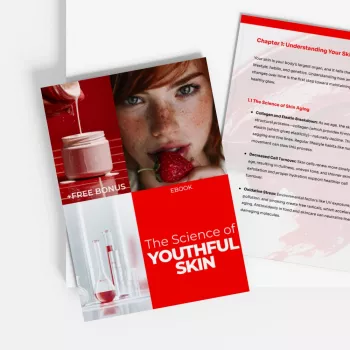
- The Science of Youthful Skin: Anti-Aging Lifestyle Habits for Glowing Skin ($10.99) pairs the “why” with practical routines so the basics become automatic.
- Speak Success: Your Power Words Action Checklist ($4.99) is a quick daily mindset tool that fits well with habit-stacking (especially for stress resets and bedtime cues).
- Break Free: Stop Self-Sabotage Today ($22.99) supports follow-through when the hardest part isn’t knowledge—it’s staying consistent long enough to see change.
FAQ
What lifestyle habit makes the biggest difference for youthful skin?
Daily broad-spectrum sunscreen is the highest-impact prevention step because it reduces UV-driven collagen breakdown and pigmentation. Consistent sleep timing and a balanced, protein-forward diet are strong second-tier habits that noticeably support repair and glow.
How long does it take to see results from lifestyle changes for glowing skin?
Hydration and better sleep can show on the face in a few days, while barrier improvements often take about 2–4 weeks. Pigment changes and fine lines typically take 8–12+ weeks of consistent sun protection and routine habits.
Do supplements replace diet for anti-aging skin benefits?
Supplements can help fill specific gaps, but they don’t replace the fundamentals: adequate protein, colorful produce, and healthy fats. For targeted needs, it’s smart to check with a clinician—especially if you’re managing medical conditions or deficiencies.





Leave a comment