Eco-Friendly Fashion: Buy Less, Wear Longer, Waste Less
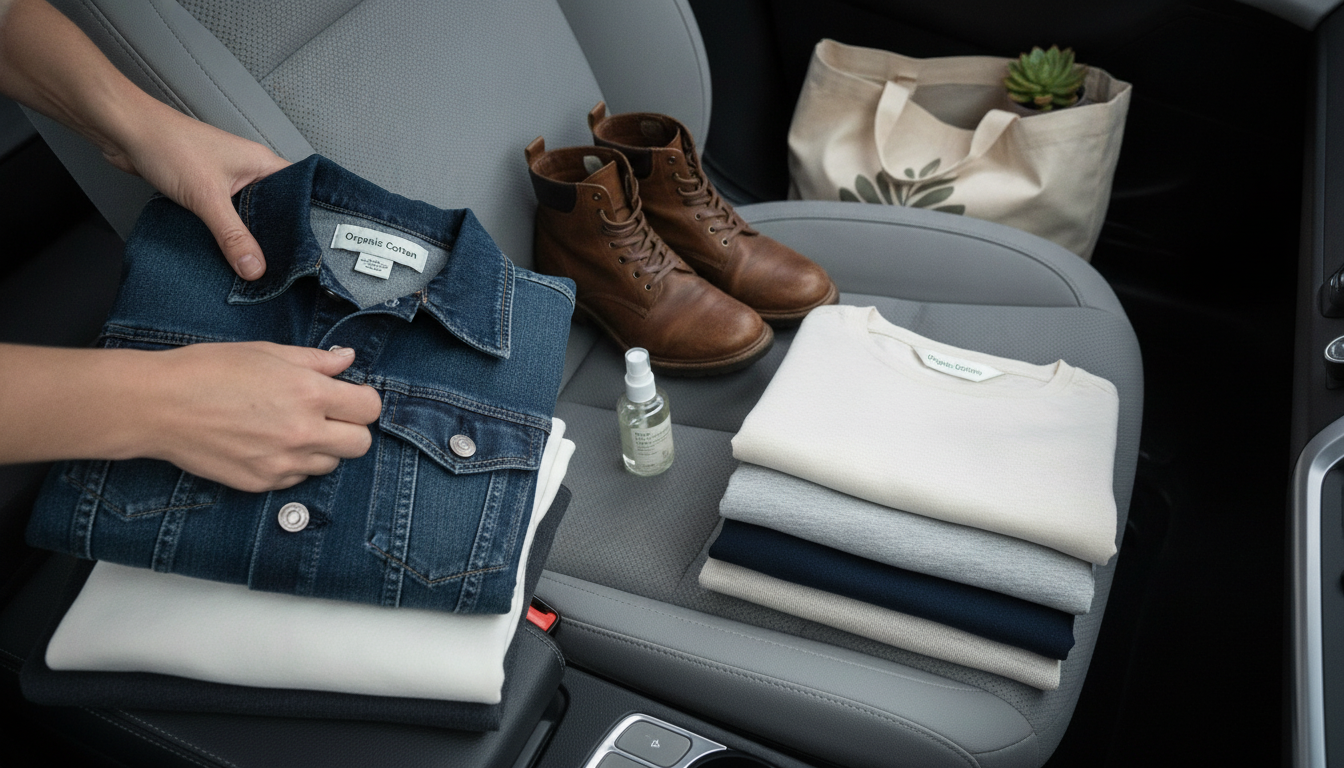
How can we make fashion more eco-friendly?
Making fashion more eco-friendly comes down to buying fewer, better pieces and keeping what’s already in your closet in use longer. The most sustainable item is often the one you don’t replace—so start by shopping your wardrobe, building outfits around what you own, and only filling true gaps.
Choose quality and longevity over constant hauls
Look for durable fabrics, solid stitching, and timeless silhouettes that won’t feel “done” after a season. Paying a bit more for a well-made staple can lower your cost per wear and reduce the cycle of frequent replacements. When possible, choose brands that share details about materials, factories, and labor standards rather than vague “green” claims.
Buy secondhand, rent, or swap for special occasions
Thrift stores, resale apps, consignment shops, and clothing swaps extend the life of garments already in circulation. For events where you’ll only wear something once, renting can deliver the look without adding long-term closet clutter or waste.
Prioritize lower-impact materials and smarter care
Favor natural or recycled fibers when they fit your needs, and be cautious with ultra-cheap synthetics that may shed microfibers. Once you buy, care choices matter: wash in cold water, run full loads, air-dry when you can, and spot-clean to reduce unnecessary laundering. These habits save energy and help clothes keep their shape and color longer.
Repair, tailor, and repurpose before replacing
A missing button, small tear, or loose hem doesn’t need to end a garment’s life. Simple repairs and basic tailoring can refresh fit and comfort—often for far less than buying new. If something truly can’t be worn, repurpose it into cleaning rags or donate responsibly where textiles are accepted.
For a practical, budget-friendly approach to greener style, see the full guide here: eco-friendly fashion that lowers your clothing budget.
FAQ
What is the easiest first step to shop more sustainably?
Do a quick closet audit and identify what you actually wear, what needs minor repairs, and what’s missing for everyday outfits. Then create a short “buy list” focused on versatile essentials instead of impulse items.




Leave a comment