Traditional vs. Roth IRA: Which Is Better for You?

Is it better to do a traditional IRA or a Roth IRA?
Neither is universally “better”—the better IRA is usually the one that matches your tax situation now versus later. A traditional IRA can lower your taxable income today (if you qualify for the deduction), while a Roth IRA trades that upfront deduction for the potential of tax-free qualified withdrawals in retirement.
When a traditional IRA tends to make more sense
A traditional IRA is often attractive when you expect your tax rate to be lower in retirement than it is today. If you can deduct contributions, you may reduce your current-year tax bill and invest the savings. This can be especially appealing in peak-earning years or when you’re trying to manage taxable income now.
When a Roth IRA tends to make more sense
A Roth IRA is commonly favored when you expect to be in a higher tax bracket later, or when you want more tax certainty. You pay taxes on contributions now, and qualified withdrawals in retirement can be tax-free. Roth IRAs can also be useful for investors who want tax diversification or who value the flexibility of accessing contributions (not earnings) before retirement if needed.
Quick decision checks
- Tax rate direction: Higher now than later may point to traditional; lower now than later may point to Roth.
- Deduction eligibility: If you can’t deduct a traditional IRA contribution, the Roth comparison changes.
- Time horizon: The longer the money can grow, the more valuable tax-free growth can be.
- Flexibility goals: Consider how much you value predictable tax treatment versus an upfront deduction.
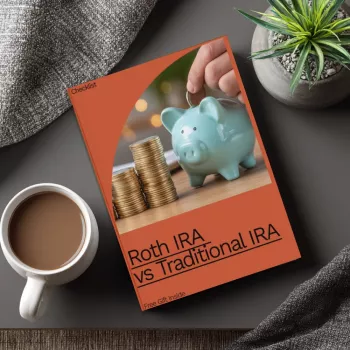
For a step-by-step way to compare eligibility, taxes, and real-life scenarios, see the full guide here: Roth vs. Traditional IRA checklist for beginners.
FAQ
Can you contribute to both a Roth IRA and a traditional IRA in the same year?
Yes. You can contribute to both in the same tax year as long as your combined contributions stay within the annual IRA limit and you meet eligibility rules for each account type.






Leave a comment